Last updated October 31, 2026
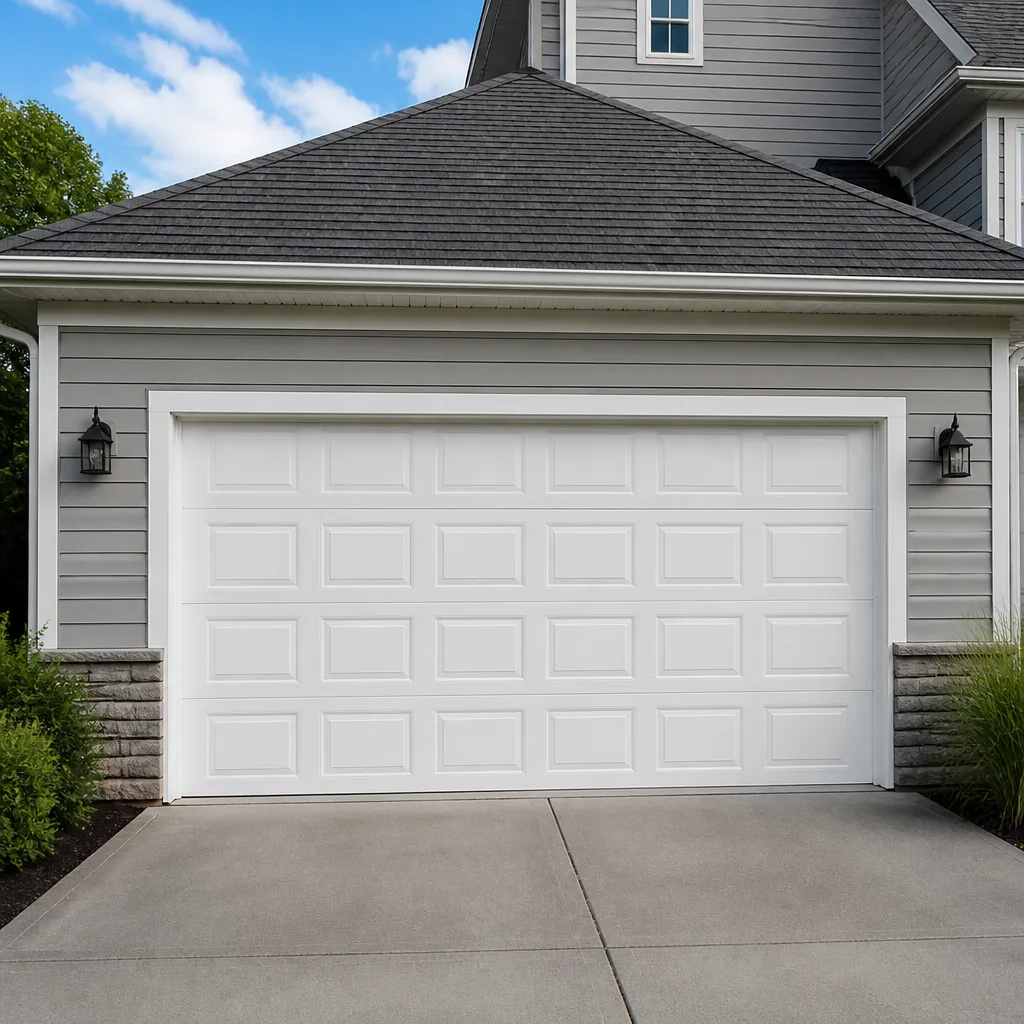 Raised-panel steel
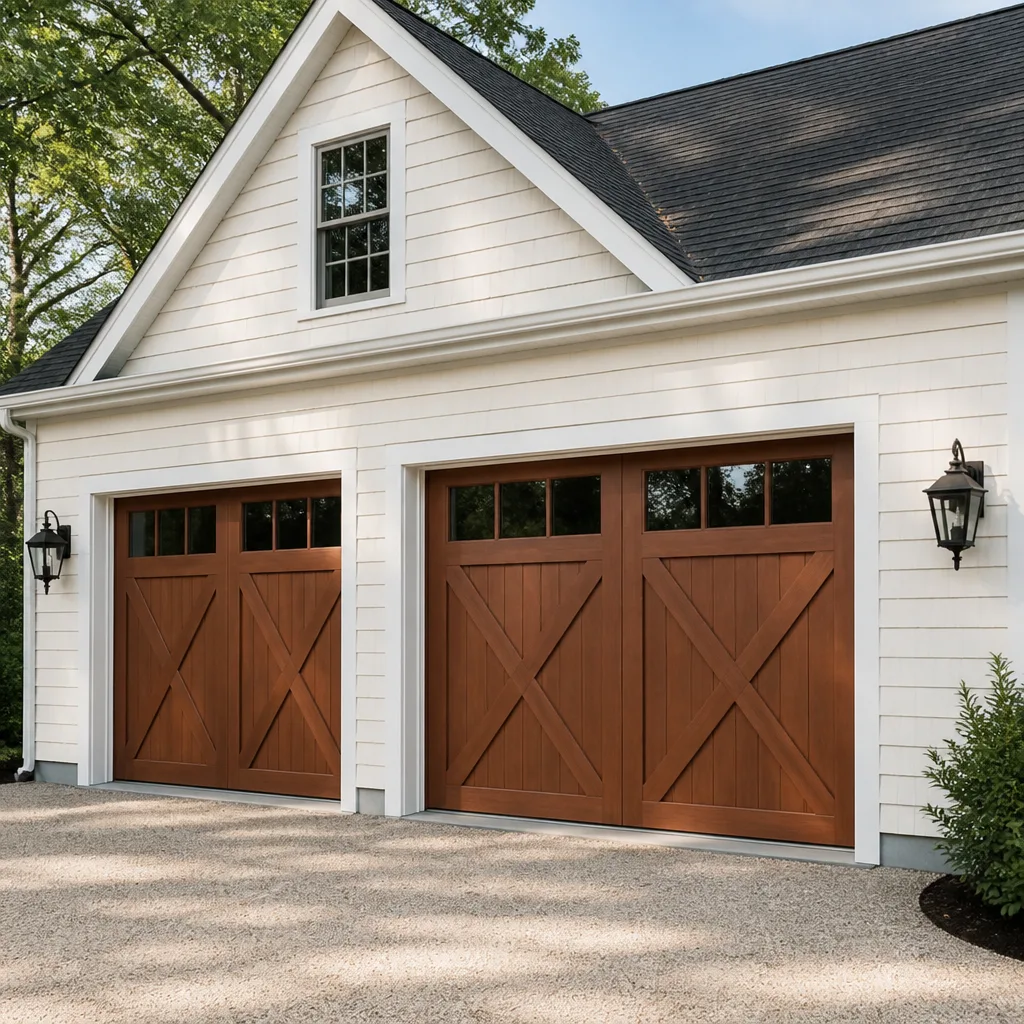 Carriage house
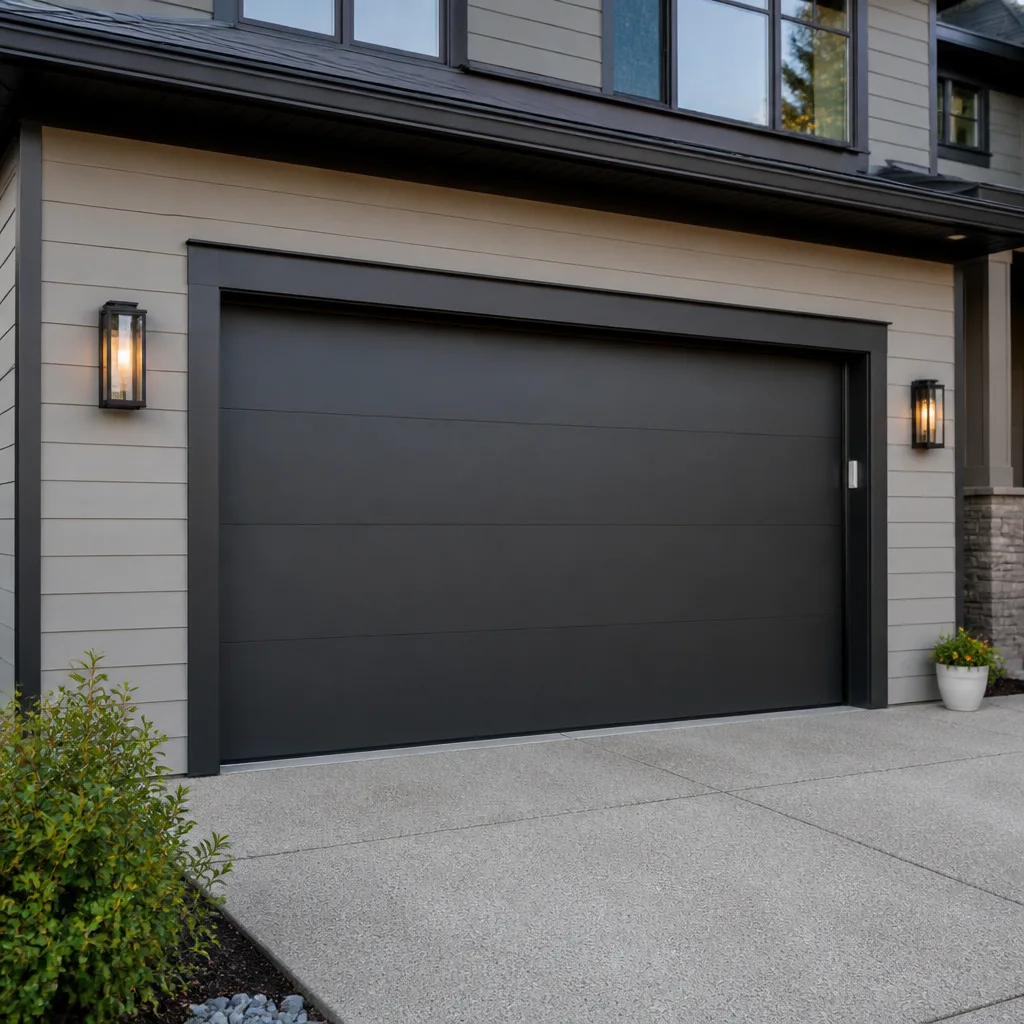 Modern flush
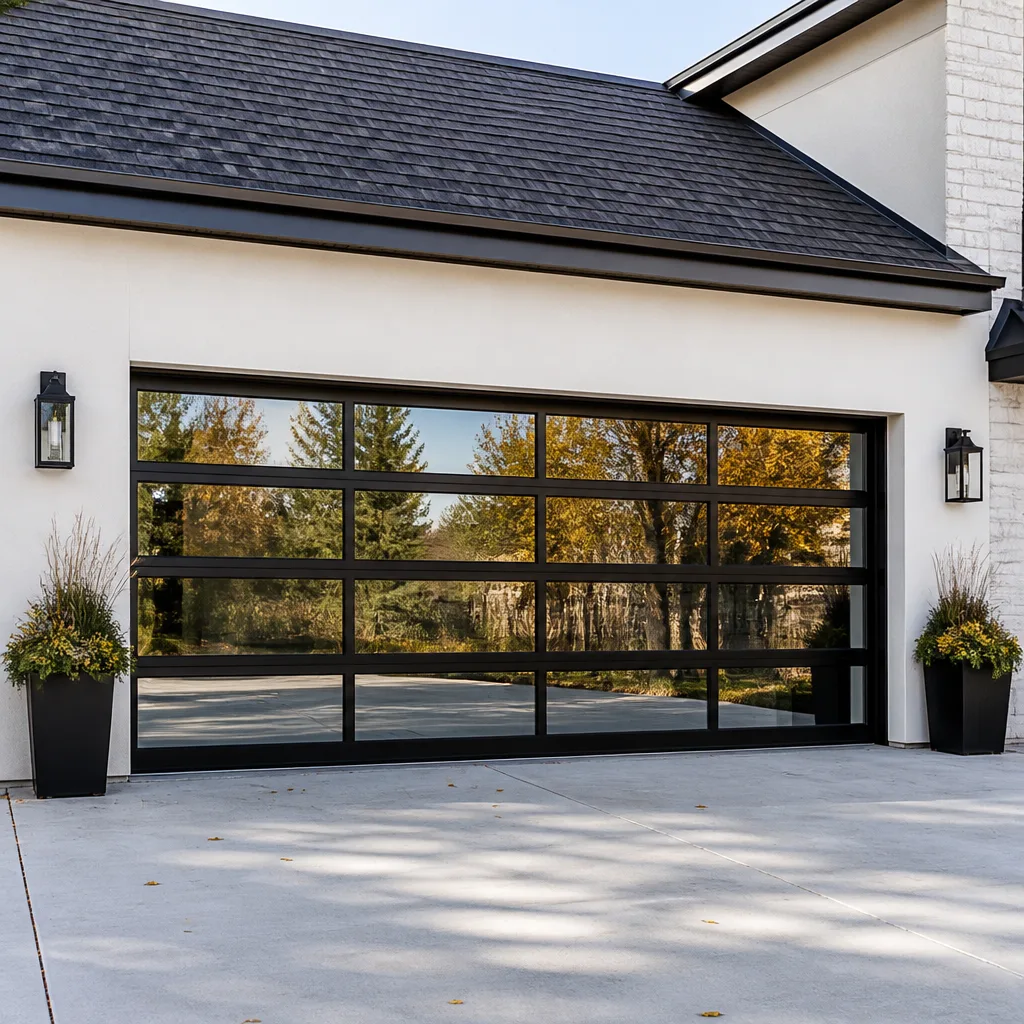 Full-view glass
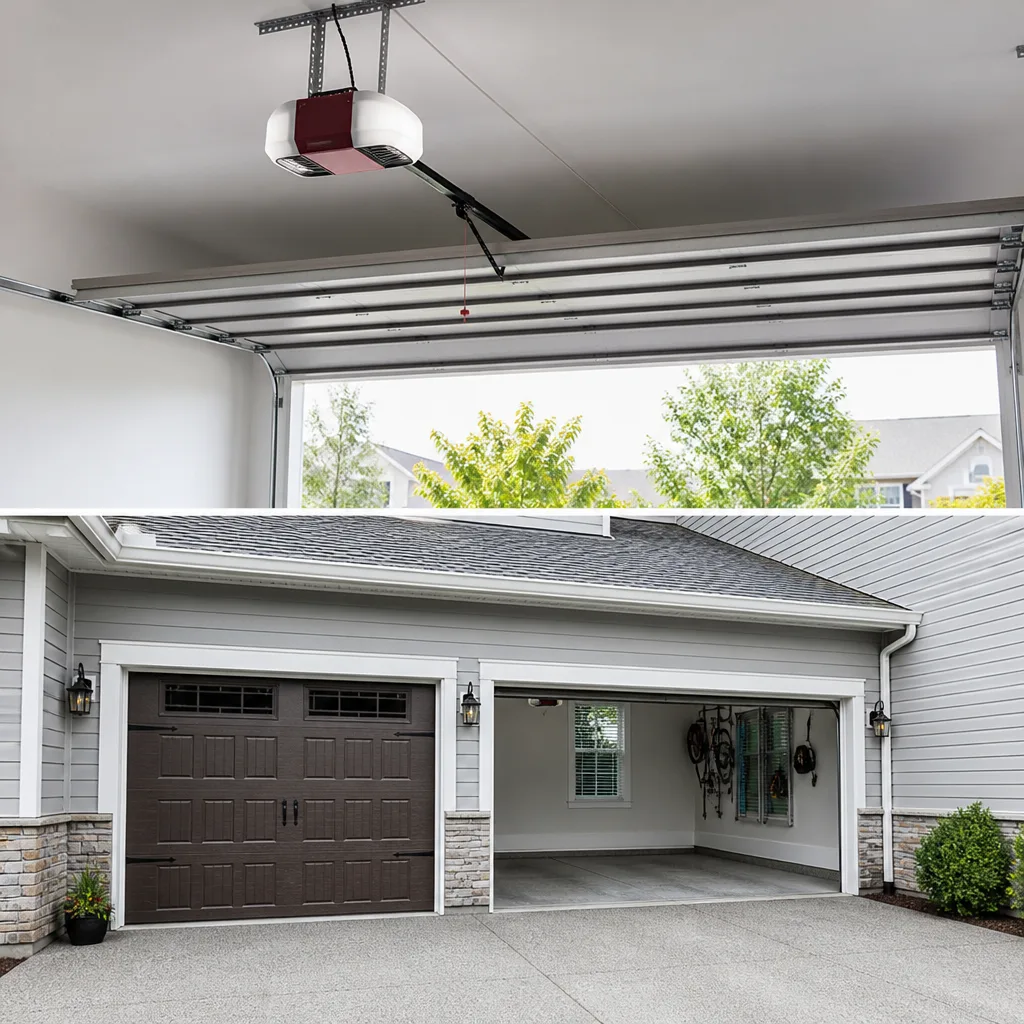 LiftMaster openers
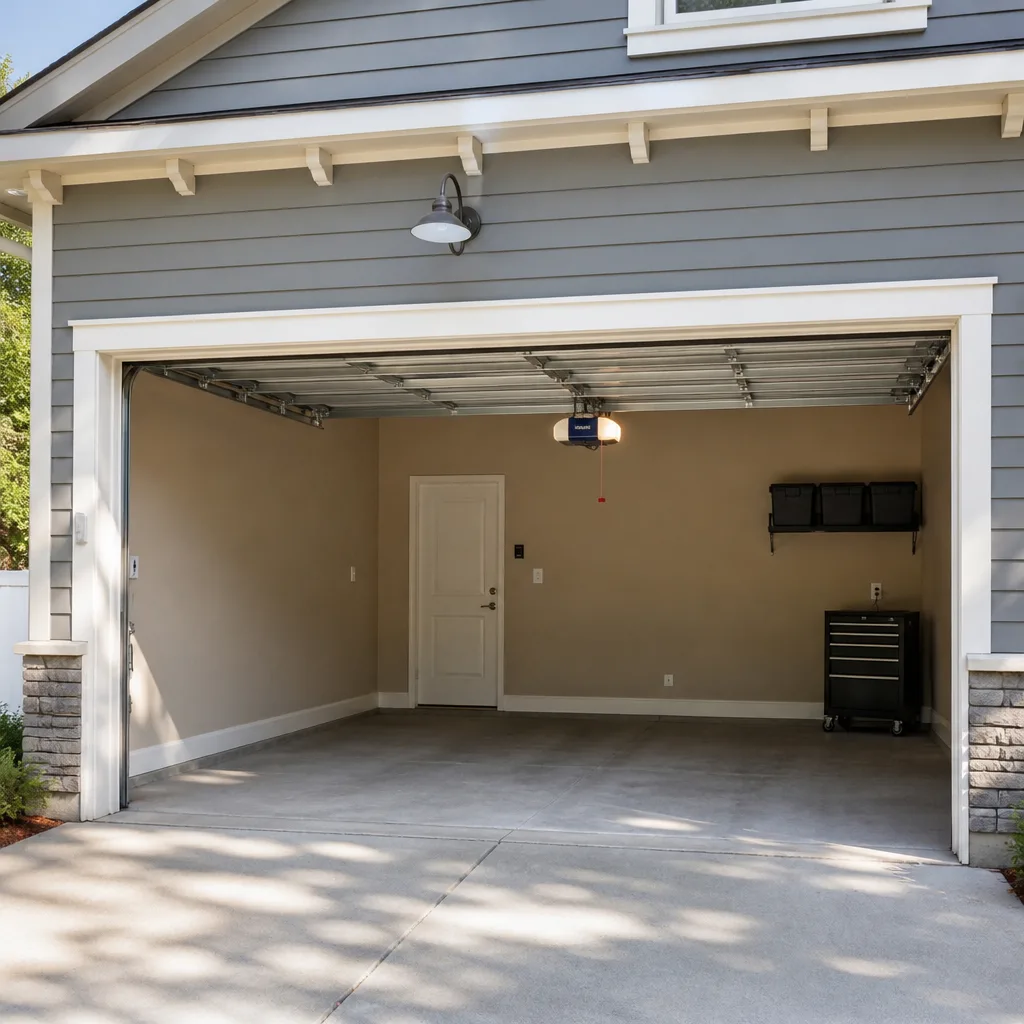 Chamberlain openers
Full 25-point door and opener safety check with every visit - springs, cables, rollers, tracks, and your LiftMaster or Chamberlain opener included
You get a price before we start. It does not change when the truck arrives.
Get your free estimateGarage Door Warning Signs: A The Villages Homeowner’s Reference Guide
A garage door that hesitates for two seconds before moving isn’t being slow. It’s signaling that the springs are nearing the end of their cycle life, and in Florida’s heat and humidity, that end arrives sooner than the manufacturer’s estimate suggests. Most garage door failures in The Villages don’t happen without warning. They send signals for weeks or months that get written off as normal quirks, until the door refuses to open the morning of an early tee time or a scheduled doctor’s appointment. This guide teaches you to read those signals accurately, so a $15 fix doesn’t become a $400 emergency. For more guides & resources, see our blog.
Quick Answer
The most common garage door warning signs are unusual sounds (grinding, squealing, rattling, thumping), visible cable or spring wear, a door that moves unevenly or sags in the center, opener issues like lights flashing or reversed movement, and a door that feels heavier than it used to. In The Villages, Florida’s heat and humidity accelerate spring fatigue and rust on hardware, so these signs deserve faster attention than they would in drier, cooler climates.
Styles & brands we work with
Table of Contents
- What Different Garage Door Sounds Actually Mean
- Visual Checks You Can Do From the Ground
- Door Balance and Sagging: The Structural Warning Most People Miss
- How Florida Humidity Affects Wood and Steel Garage Doors
- Opener Warning Signs vs. Door Hardware Warning Signs
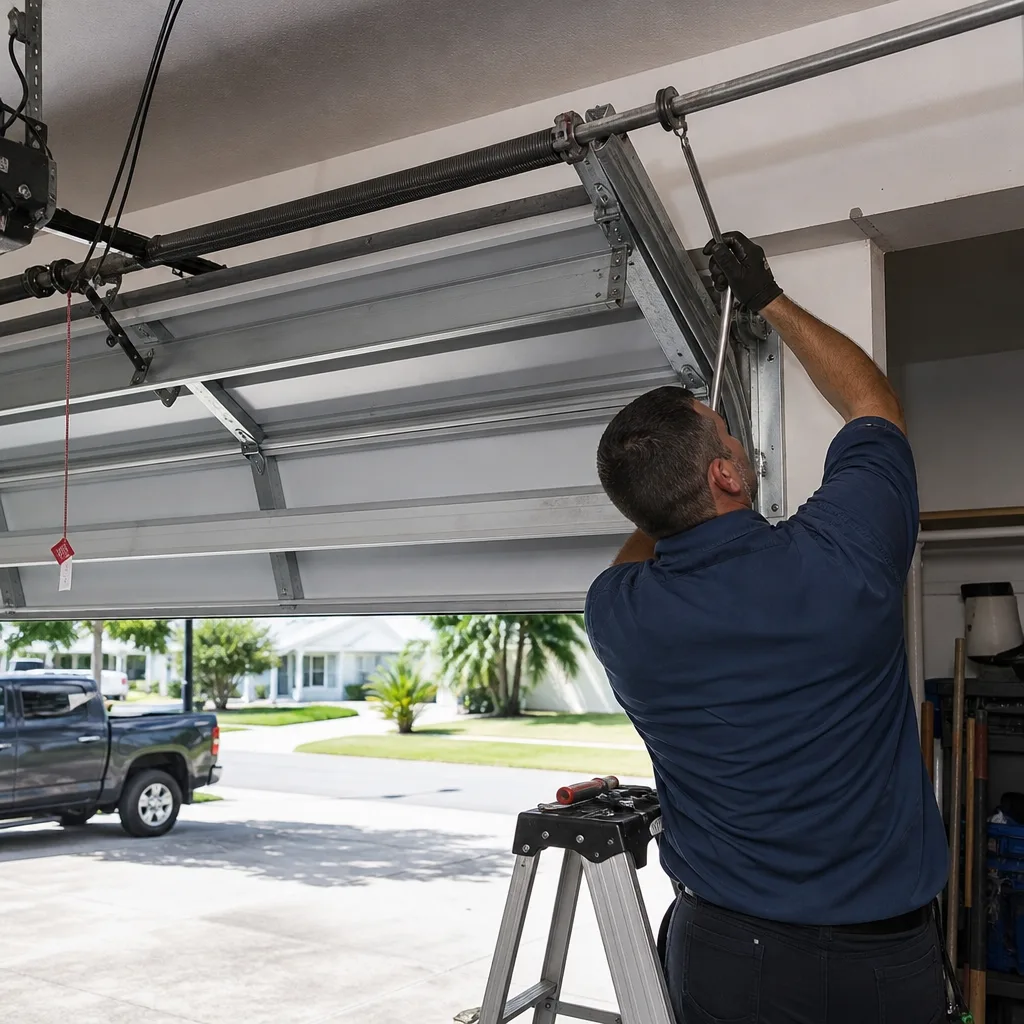
- Spring and Cable Warning Signs: The Dangerous Ones
- Age, Cycle Life, and When Replacement Beats Repair
- Common Mistakes to Avoid
- When to Call a Professional
- Frequently Asked Questions
What Different Garage Door Sounds Actually Mean
Garage doors talk. Most homeowners in The Villages hear the sounds every day but never stop to translate them. Here’s what each distinct sound tells you, based on what our technicians hear when they walk into garages across the community.
Grinding: A grinding or metallic scraping sound almost always points to a problem with the rollers or the track. Rollers wear down over time, especially steel rollers on steel tracks, which is the most common setup in homes built in The Villages over the past decade. When the roller bearing fails, the roller stops rolling and starts dragging. That dragging is the grinding you’re hearing. Left alone, a failing roller damages the track, and what started as a $20 roller replacement becomes a track replacement.
Squealing: A high-pitched squeal usually means one of two things. Either the rollers need lubrication, or the spring needs attention. If the squeal is steady and comes from the sides of the door as it moves, it’s the rollers and hinges. If the squeal happens right as the door starts moving and then fades, the spring coils are rubbing against themselves, which is an early warning that lubrication isn’t the fix. The spring is binding.
Rattling: A rattling door is a hardware problem. The nuts and bolts that hold the door’s sections together and attach the track to the wall loosen over time from constant vibration. In The Villages, doors open and close more often than average because many residents use their garage as the primary entry point, which means more cycles per year and faster loosening. Rattling is the easiest issue to fix, but if ignored, a loose track can shift and throw the entire door out of alignment.
Thumping: A thumping or banging sound as the door moves is usually a door that’s off-balance. When one spring fatigues before the other, the opener pulls harder on one side, and the door jerks through the track, creating a rhythmic thump. Think of it as the door limping. This is a serious signal because the uneven stress shortens the life of the surviving spring and strains the opener’s motor and gear.
If you hear any of these sounds and aren’t sure what they mean, start with a call to The Villages Garage Door Service home team. A quick conversation about what you’re hearing often points to the answer, and if a visit is needed, we’ll come look.
Visual Checks You Can Do From the Ground
You don’t need to climb a ladder or touch any moving part to spot most warning signs. Here’s a five-step visual inspection you can do from the ground, without tools and without risk.
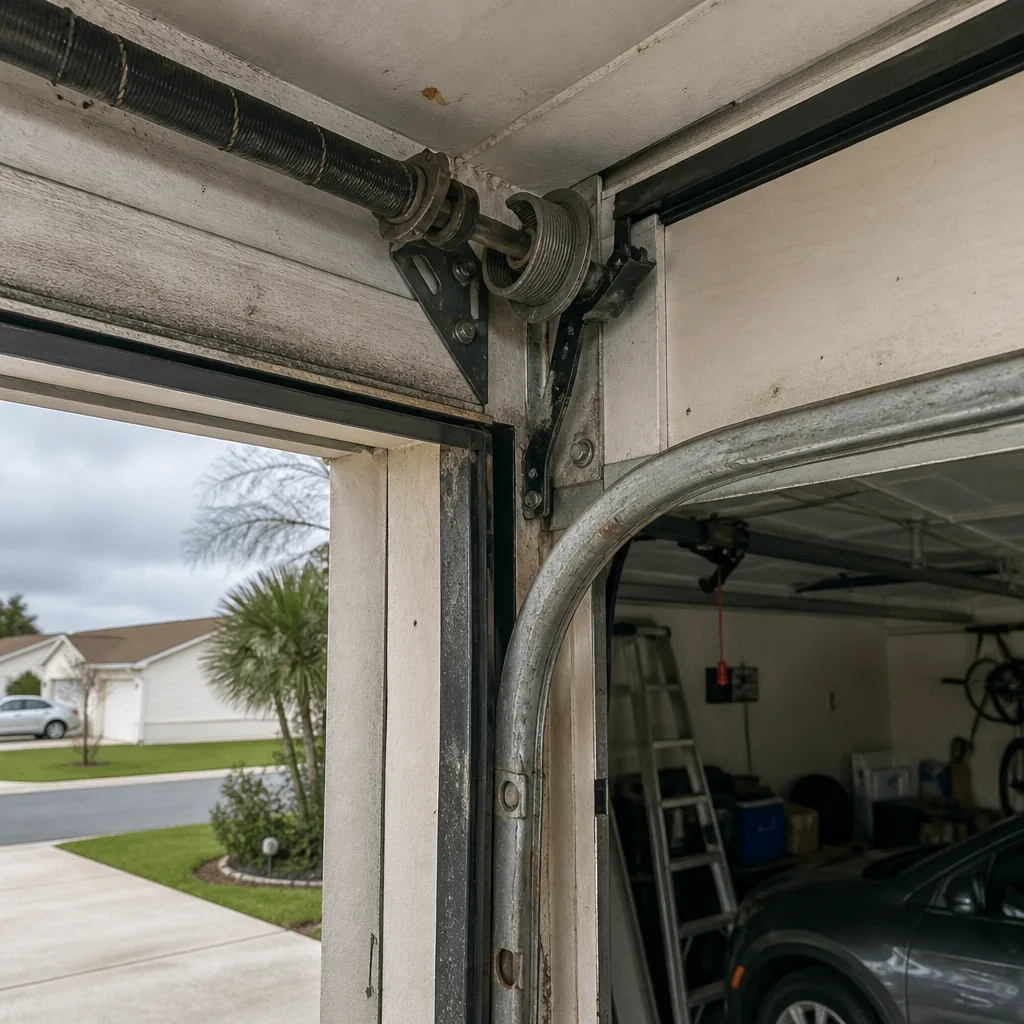
- Look at the cables. Stand inside the garage and look at the thin steel cables that run along each side of the door, from the bottom bracket up to the spring assembly. If you see fraying, rust, or loose strands, the cable is near failure. A snapped cable is dangerous and makes the door unusable.
- Check the spring gap. The torsion spring sits horizontally above the closed door. Look for any visible gap in the spring’s coils. A small gap means the spring has already started to break. A normal spring has tight, uniform coils with no separation.
- Look at the rollers. The wheels attached to the door’s sides that ride inside the track. If any roller is chipped, cracked, or sits at an angle instead of straight, it’s failing. If the wheel wobbles when the door moves, the bearing is shot.
- Examine the track alignment. The metal tracks on both sides should be parallel to each other and vertical for the top portion. Look for bends, dents, or sections that appear pinched. Also check the bolts attaching the track to the wall. Loose bolts mean the track can shift under load.
- Look at the bottom seal. The rubber strip along the bottom of the door. If it’s cracked, flattened, or pulling away from the door, you’re losing the barrier against Florida’s heat, moisture, and pests. A worn seal also allows water to pool inside the garage during The Villages’ rainy season, which leads to rust on the lower panels.
If any of these checks reveals something that doesn’t look right, a Garage Door Repair in Mascotte visit handles it before it stops the door from working. Every check above is included in a routine service call, and we’ll show you what we see so you know what to watch for next time.
Door Balance and Sagging: The Structural Warning Most People Miss
A garage door should sit level and move level. When it doesn’t, the issue is rarely cosmetic. A door that sags in the middle or hangs higher on one side is telling you something about its structure, and ignoring that signal leads to cascading failures.
Most residential garage doors in The Villages are sectional doors made from multiple horizontal panels connected by hinges. The panels themselves are held square by a series of steel struts and the tension the springs provide. Over time, especially in humid climates, the hinges wear and the struts lose their grip on the panel material. Wood doors warp. Steel doors with wood frames inside rust at the connection points. The result is a door that sags slightly in the middle.
Why it matters: a sagging door puts uneven pressure on the opener. The opener’s arm attaches at the top center. If the door sags, the arm has to pull upward and outward at the same time, which stresses the mounting bracket and the gear inside the opener. We’ve seen openers that would have lasted five more years fail in months because they were fighting a sagging door every cycle.
Here’s how to check balance from the ground safely. Pull the emergency release cord (the red handle hanging from the rail) while the door is closed. The door will disconnect from the opener. Now lift the door manually about waist high and let go. A balanced door stays put or drifts very slowly. A door that slams down is too heavy for its springs. A door that shoots up is too light. Both are problems. Reconnect the opener by pulling the release cord and running the opener once.
If your door fails that test, the springs need attention. That’s not a DIY fix. Torsion springs under tension store enough energy to cause serious injury if mishandled, which is exactly why we train every technician thoroughly and never recommend springs as a homeowner project. For The Villages residents, a balanced door also means a door that seals properly against the humid outside air and keeps the garage cooler.
How Florida Humidity Affects Wood and Steel Garage Doors
Florida’s climate is hard on garage doors in ways that homeowners from northern states often don’t expect. The combination of high humidity, salt in the air, and intense UV exposure works on every component, from the door panels to the smallest hinge pin.
Wood doors: The Villages has a mix of original wood doors and newer engineered-wood models. Both absorb moisture from the air. That moisture causes the door to swell and warp. A warped door doesn’t sit flush against the weatherstripping, which means outside air, rain, and bugs get in. The warping also throws off the balance slightly with every humid season, accelerating spring wear. Wood doors in Florida need resealing more often than manufacturers’ maintenance schedules suggests. If the finish is cracked or peeling anywhere, moisture is getting into the material.
Steel doors: Steel doors resist warping, but they have their own vulnerability: rust at the seams, corners, and hinge attachment points. The bottom panel suffers most because it sits closest to ground moisture and any standing water from rain blown under the seal. Once rust starts at a hinge point, the hinge loses its grip on the panel and the door starts pulling itself apart at that corner. We see this pattern regularly in garages throughout The Villages after particularly wet summers.
Hardware: Humidity accelerates corrosion on every exposed metal part: hinges, rollers, tracks, cables, and even the spring. Surface rust on a spring creates friction points where fatigue cracks begin. Rust on a cable weakens the individual strands until one snaps. And rust on tracks creates grit that wears down rollers faster.
In our experience working on doors in this community, Florida homeowners benefit from two things northern homeowners don’t need to think about: an annual hardware lubrication with a rust-inhibiting product, and a check of the bottom seal before every rainy season. See our Seasonal Garage Door Care for The Villages: Year-Round Homeowner’s Guide for a full maintenance schedule. Both are quick, inexpensive steps that extend the life of the door by years.
Opener Warning Signs vs. Door Hardware Warning Signs
One of the most useful distinctions a homeowner can learn is whether a problem lives in the door hardware or in the opener. They fail for different reasons and need different expertise, and knowing which is which saves you from paying for the wrong repair.
Signs the problem is the opener:
- The motor runs but the door doesn’t move. This means the opener’s gear or drive system has failed, or the door has disconnected from the trolley. Try reconnecting with the emergency release first. If it still doesn’t move, the opener’s internal drive is at fault.
- The door reverses direction after touching the floor. This is the force-sensitivity setting misreading the door’s weight, which often happens when the door’s balance shifts. It can also be the limit switch wearing out.
- The opener makes a humming sound but nothing moves. The capacitor or motor start circuit is failing. This is common on openers that are ten or more years old.
- The wall button or remote works intermittently. The opener’s receiver or logic board may be failing, or the remote’s battery is dying. Swap the battery first with a name-brand replacement battery before assuming the board is dead.
- The door starts, moves a few inches, and stops. The travel limits are set wrong or the opener is sensing too much resistance from the door. The second case means the opener is protecting itself from an overload, which tends to point back at the door’s springs.
Signs the problem is the door hardware:
- The door jerks or shudders as it moves. The rollers, hinges, or tracks have wear or obstruction. The opener is trying to push against uneven resistance.
- The door is visibly off-level when closed or while moving. That’s the balance problem described earlier, which is a spring issue.
- You can hear grinding, squealing, or rattling from the door itself, not from the opener motor box. Sound location tells you the source.
- The door feels unusually heavy when you lift it manually. This is the springs losing tension and is the most reliable tell that a spring replacement is close.
Because we service both sides of this equation, we can tell you honestly which part is failing. We work on the opener brands most common in The Villages, including LiftMaster, Chamberlain, and Genie, and we stock or can source the correct parts for those systems. For door-specific issues, we handle the full range of door types and brands, including Clopay. A Garage Door Opener Repair in Mascotte service call covers the electronic side, and the same technician can diagnose the mechanical side in the same visit.
Spring and Cable Warning Signs: The Dangerous Ones
Everything about your garage door’s springs and cables is under tension. A torsion spring stores enough energy to lift a 150-pound door, and when that energy releases improperly, it’s dangerous. This is the one part of the system where we’re deliberately blunt about the risk: if you suspect a spring or cable issue, do not attempt to fix it yourself.
Warning signs specific to torsion springs:
- A visible gap or split in the spring coil. You can see this by standing inside the garage and looking up at the spring above the closed door. If the coils aren’t perfectly tight against each other, the spring has begun to fail.
- A loud bang from the garage that sounds like a gunshot or a heavy weight falling. That’s a spring snapping. The door may still open with the opener, but you now have one spring doing the work of two, and the remaining spring will fail quickly. In The Villages, where doors often cycle multiple times daily, that remaining spring might last days, not weeks.
- The door is noticeably heavier when you try to lift it manually. This is the clearest functional warning. Springs lose tension gradually as they approach their cycle limit, and the door gets progressively heavier to lift.
Warning signs specific to cables:
- Frayed strands visible along the cable’s length. Thin wires sticking out from the main cable bundle mean individual strands are breaking. The rest will follow.
- Rust along the cable, especially near the bottom bracket and the drum at the top. Rust weakens the metal and creates stress points.
- The cable looks loose or hangs slack on one side when the door is fully open. In a properly tensioned system, both cables should be tight at all times. A slack cable means the door is off-balance and the cable is about to jump off the drum.
- The door looks crooked, with one side lower than the other. When one cable stretches or slips, that side of the door drops, and the uneven load begins damaging everything else.
If you see any of these, stop using the door and call a professional. The fix is a trained technician’s job. We replace springs and cables daily for homeowners across The Villages, and every replacement includes a balance check and a full hardware inspection. The price is quoted and agreed before any work starts, so you know exactly what the repair costs before we touch the door.
Age, Cycle Life, and When Replacement Beats Repair
Garage doors don’t fail by calendar age. They fail by cycles. One cycle is one full open and one full close. A standard torsion spring is rated for 10,000 cycles. The average American household cycles their door 1,500 to 2,000 times per year, which gives a 5 to 7 year spring life. But in The Villages, many residents use their garage as the main entry and exit point, cycling the door three to five times daily. At 4 cycles per day, 365 days per year, that’s 1,460 cycles annually, right at the national average. But add in the heat, which accelerates metal fatigue, and the practical spring life in Florida is often 5 years or less, regardless of the cycle math.
Here’s the honest calculation for repair versus replacement, based on what we tell homeowners every week:
- Door under 10 years old, one component failing: Repair it. A roller set, hinge, or even a spring replacement is far cheaper than a new door, and the rest of the door likely has years of use left.
- Door 10-15 years old with multiple failing components: Do the math on both. If the panels are rusting, the bottom seal is shot, and two rollers are worn, the total repair bill may approach several hundred dollars. A new door of comparable quality may cost more but resets the clock on every component at once. We’ll give you both numbers and let you decide.
- Door over 15 years old with cosmetic damage plus mechanical wear: Replacement almost always makes more sense. You’re getting a new spring, new rollers, new tracks, new panels, and a fresh warranty all at once, rather than chasing failures one by one. Which means a full assessment by a professional who can price both options honestly is the only way to make a good call. We perform Garage Door Installation in Mascotte with measured quotes and scheduled work, so you get a written price and a date, never a surprise.
The key to this decision is honest information. We’re in the position to repair and to replace, so our recommendation is never skewed toward the option that makes us more money. That’s a promise we operate by, and it’s what residents of The Villages tell us they value most.
Common Mistakes to Avoid
- Ignoring a new sound because the door still works. Sounds are the earliest and cheapest warning. The door will keep working right up until the component fails completely, then it stops working at the worst possible moment. Address sounds in week one, not week ten.
- Lubricating the wrong parts. Greasing the track or the spring is counterproductive, it attracts dirt and creates a gritty paste that accelerates wear. Lubricate rollers and hinges with a specific garage door lubricant, and leave the track and spring alone unless you know exactly what you’re doing.
- Adjusting the springs yourself. This is the most dangerous DIY job in the home. The springs hold hundreds of pounds of tension, and a slip can cause serious injury. In The Villages, where many residents are retired and should avoid physically risky work, this is a job for a trained person, full stop.
- Waiting to address a sagging door. A door that’s a half-inch off level today will be an inch off in a few months. Every cycle compounds the uneven wear, and the opener is silently being damaged the whole time.
- Replacing the opener when the door is the problem. If the door is heavy from worn springs, a new opener will struggle just like the old one did, and the new opener’s warranty may not cover damage caused by an unbalanced door. Diagnose the door’s balance before replacing the opener.
- Assuming a noisy door just needs oil. The sound is the symptom, not the disease. Oil a grinding roller and you’ll still have a grinding roller, you’ll just have an oily one. Find the source of the sound first.
- Using the garage as a workshop with the door closed for long periods. Florida humidity concentrates in enclosed spaces, and a garage that’s closed all day with no airflow accelerates rust on tracks, hinges, and springs. Crack the door or run a dehumidifier if you spend hours in the garage.
When to Call a Professional
Some signals are urgent. If your door shows any of the following, stop using it and call: a visible gap in the spring, frayed or loose cables, a door that slams down when you release it manually, or metal-on-metal grinding every time the door moves. These indicate components under tension that are close to failure. A professional can diagnose and fix all of these safely. For less urgent signs, such as a new squeal or slight imbalance, you have time, but not unlimited time. Every cycle does more damage. The Villages Garage Door Service offers free estimates throughout The Villages, and we’ll tell you honestly whether your door needs a repair, a spring replacement, or a full new-door quote. Call (855) 382-0952 to schedule a visit.
Frequently Asked Questions
Minor repairs like roller replacement or hinge replacement typically cost between $30 and $80 in parts plus a service fee for labor, while spring replacement or cable replacement runs higher because the parts are more substantial. The exact price depends on your door’s brand, size, and which components have failed, but every quote is provided and agreed before any work starts, so there are no surprises. Not sure about your brand? Read our Choosing the Right Garage Door Brand: A Buyer’s Guide for The Villages. Call (855) 382-0952 for a free estimate specific to your door.
We answer repair calls as quickly as possible and often schedule same-day visits for urgent situations where a door is stuck closed or open and can’t be secured. If you’re locked out of your garage or your home’s only entrance is blocked, let us know when you call. Call (855) 382-0952 and we’ll tell you the soonest available time.
A loud bang or pop when the door starts moving usually means a torsion spring has snapped. The door may still operate because the opener is doing all the work and the remaining spring is carrying the load alone, but that remaining spring will fail soon, and continuing to use the door risks damage to the opener and the door itself. Please stop using the door and call us for a spring replacement.
Garage door springs in Florida typically last 5 to 7 years, less than the 10,000-cycle rating suggests, because heat accelerates metal fatigue and humidity contributes to rust at stress points. A spring that’s over five years old and starting to show a gap in the coils is nearing the end of its life. If your door is getting heavier to lift or the spring shows visible separation, it’s time for a professional inspection.
We service and repair openers from LiftMaster, Chamberlain, Genie, and other major brands, with factory-familiar knowledge of the electronics, motors, remotes, and smart-home integrations for each brand. If you have a specific opener model, tell us what it is when you call and we’ll bring the right parts on the truck. Call (855) 382-0952 and we’ll confirm the details.
That depends on the door’s age, the number of failing components, and the condition of the panels and hardware. A door under 10 years old with one failing part is almost always worth repairing, while a door over 15 years old with multiple issues is often cheaper to replace in the long run. We’ll give you honest pricing on both options with no pressure toward either one, so you can make the best call for your home and your budget.
The Bottom Line
Garage door failures in The Villages follow a predictable pattern: a sound you ignore, a slight imbalance you tolerate, a cable that frays, and then one morning the door doesn’t open. Every one of those stages was preventable. The warning signs are readable if you know what to look for and what to listen for, and the fixes at the early stages are inexpensive compared to what comes after. Your garage door is the largest moving object in your home, and it operates under serious tension. Treat it with the same attention you give your HVAC or your golf cart batteries. When something sounds wrong or doesn’t look right, make the call before the door makes the decision for you. The Villages Garage Door Service handles repair, opener work, and installation for doors from all major brands, and we’re here at (855) 382-0952 when you need us.
Written by the team at The Villages Garage Door Service, serving The Villages since 2016.
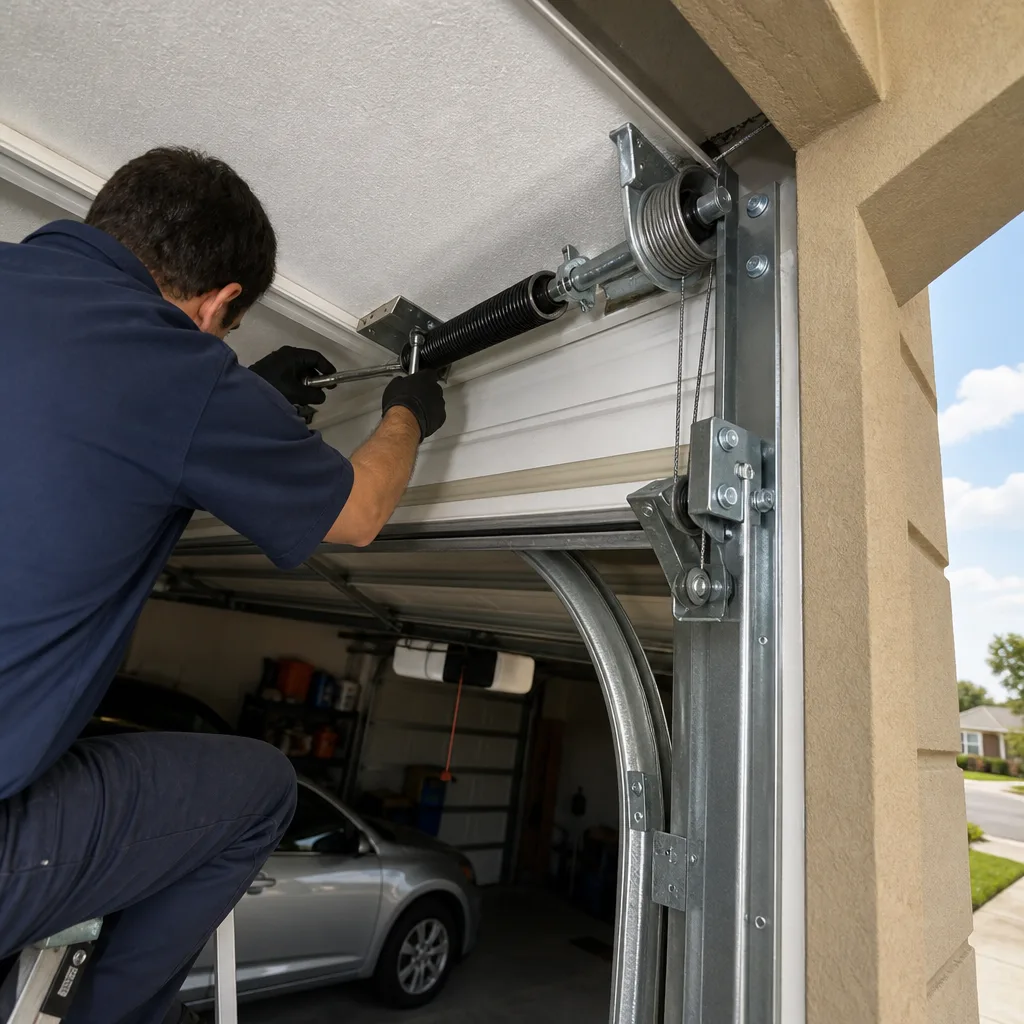
See the difference
 Before
 After
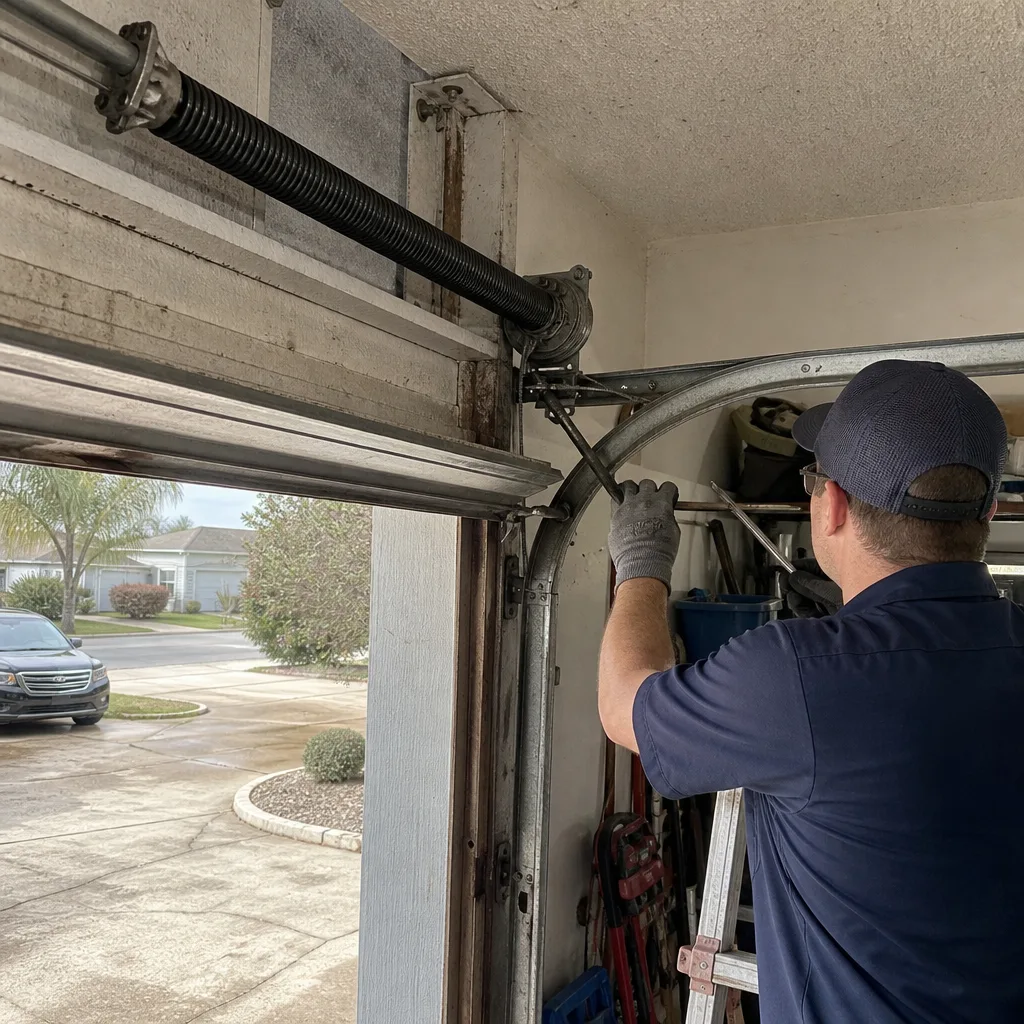 Before
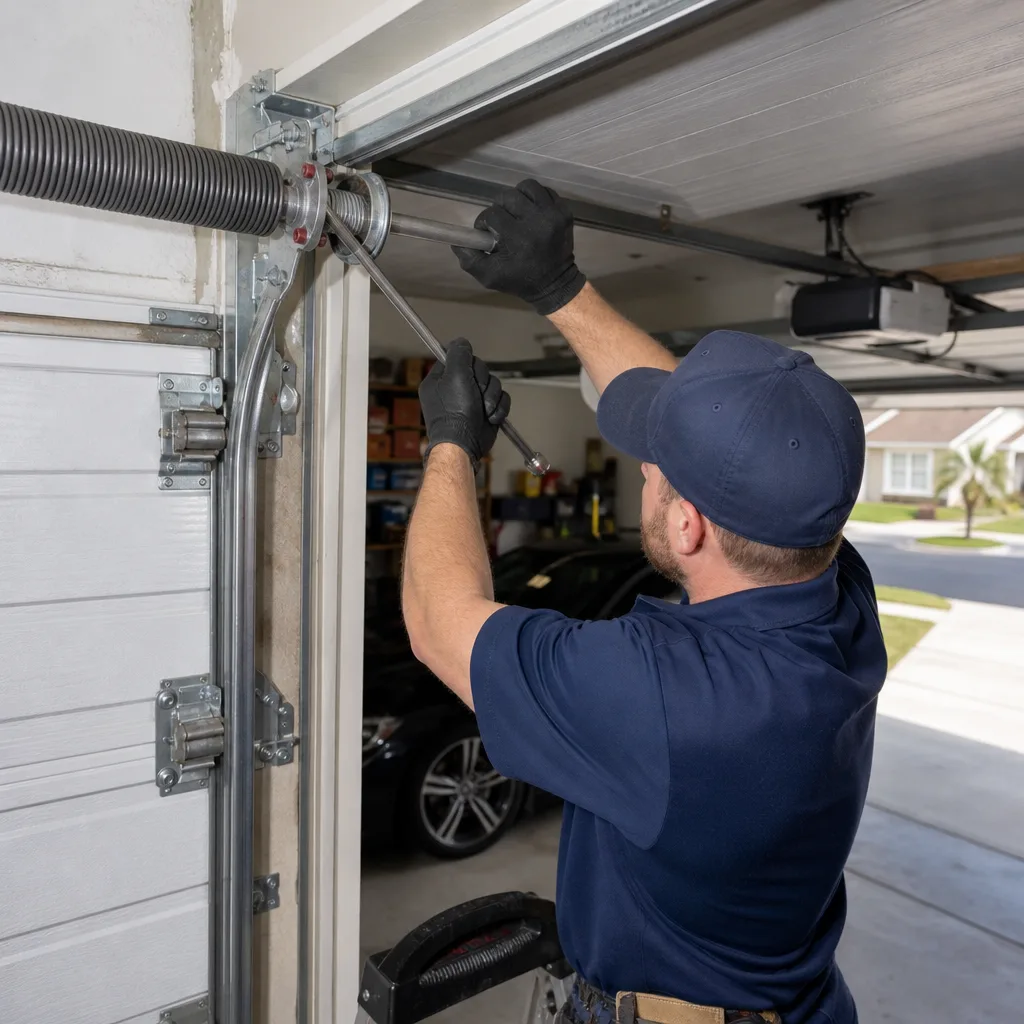 After
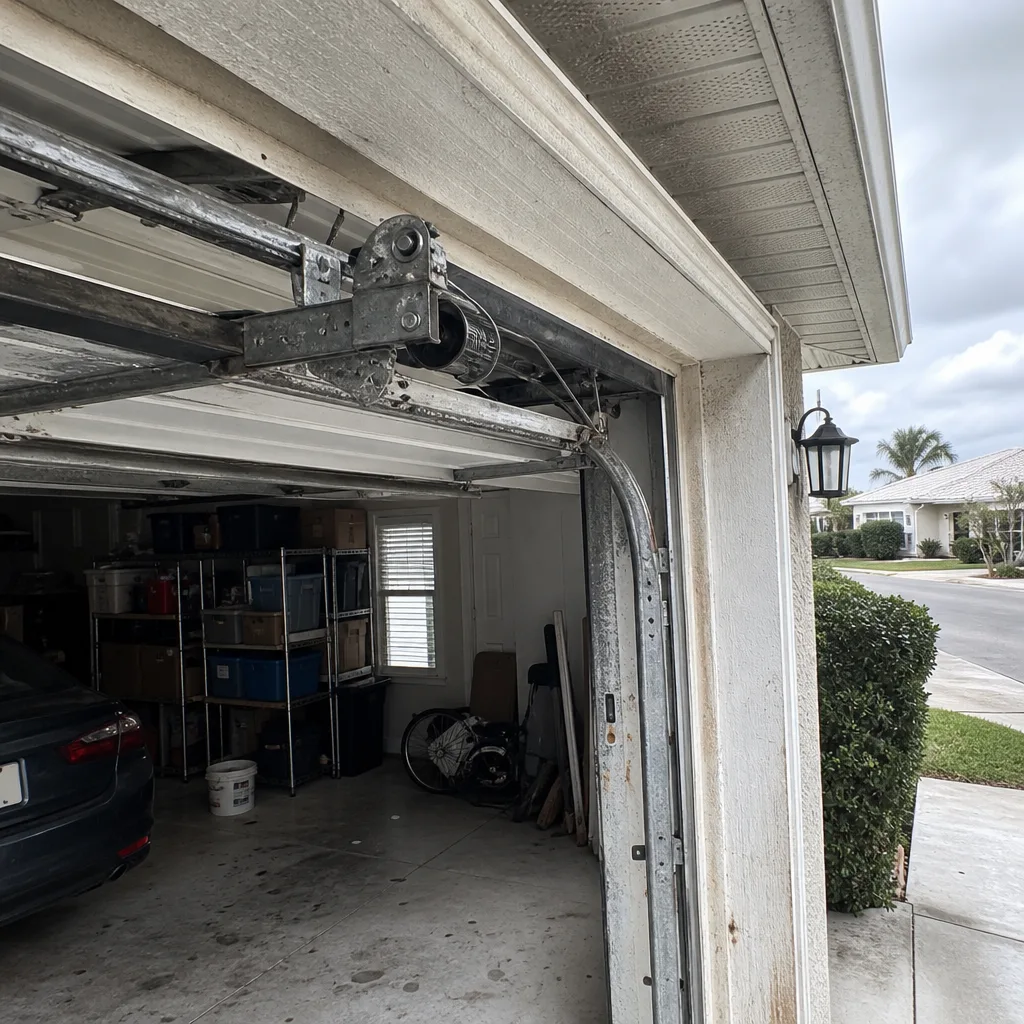 Before
 After