Last updated October 31, 2026
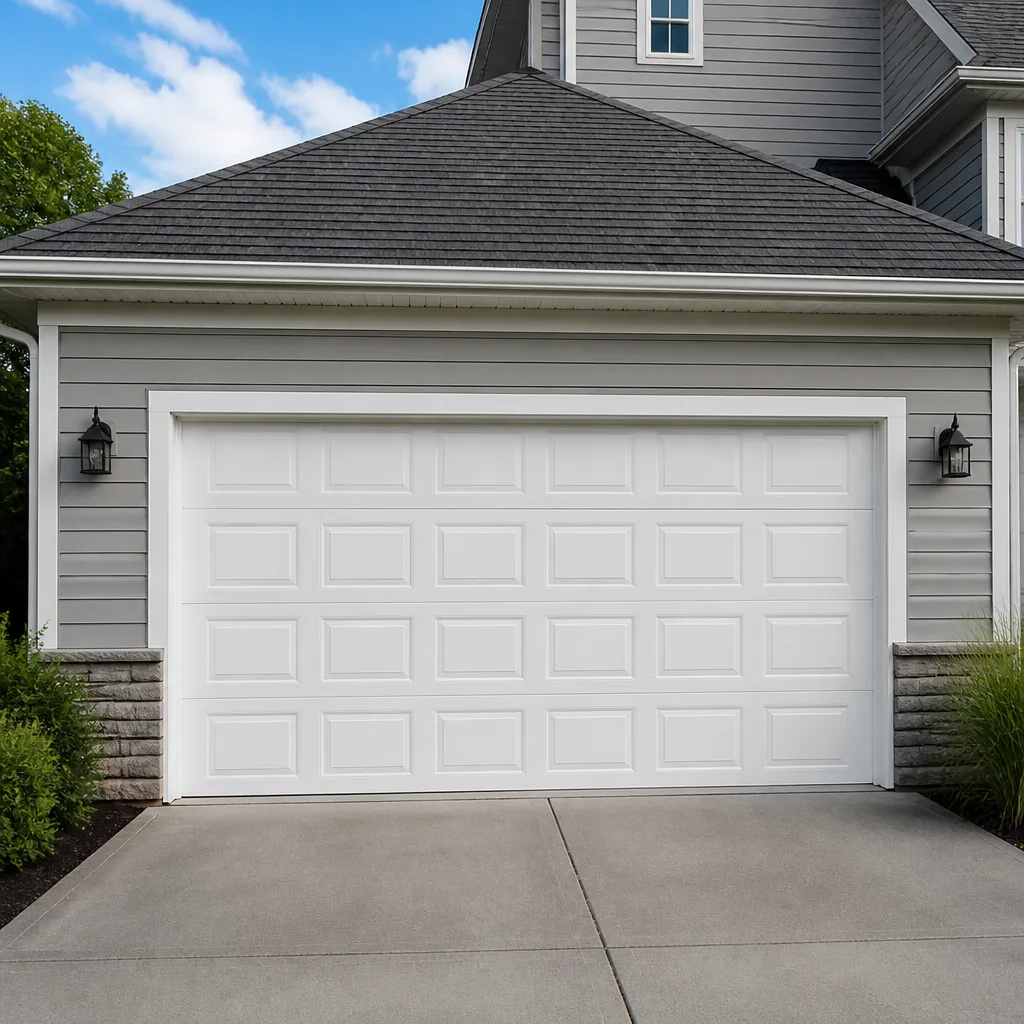 Raised-panel steel
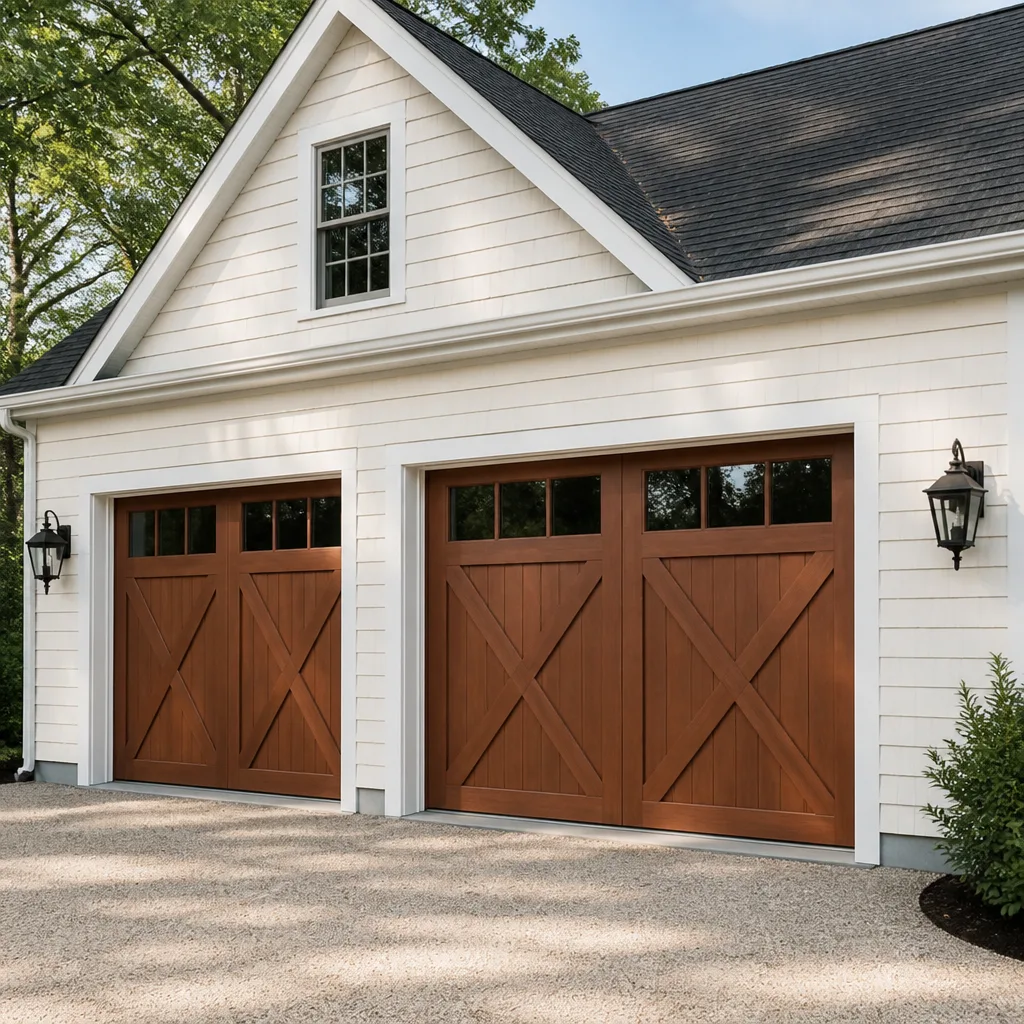 Carriage house
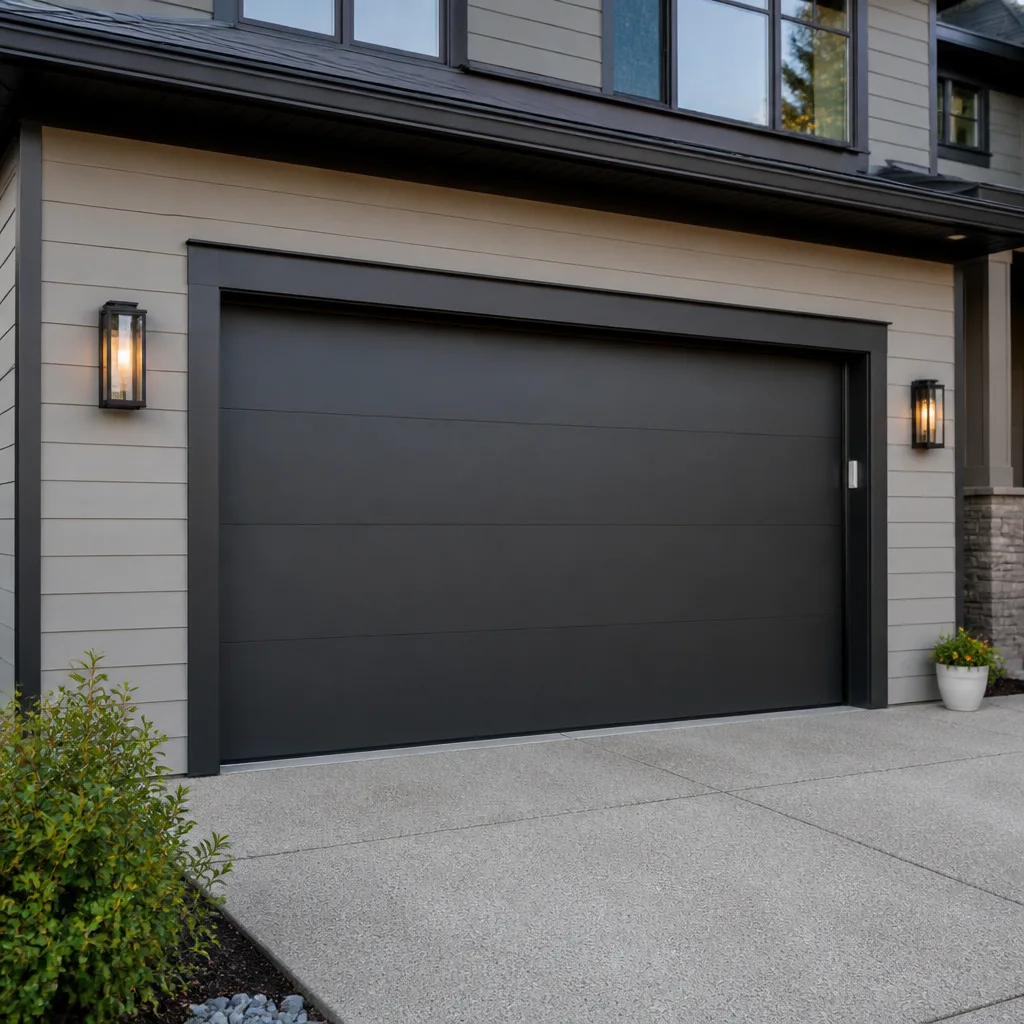 Modern flush
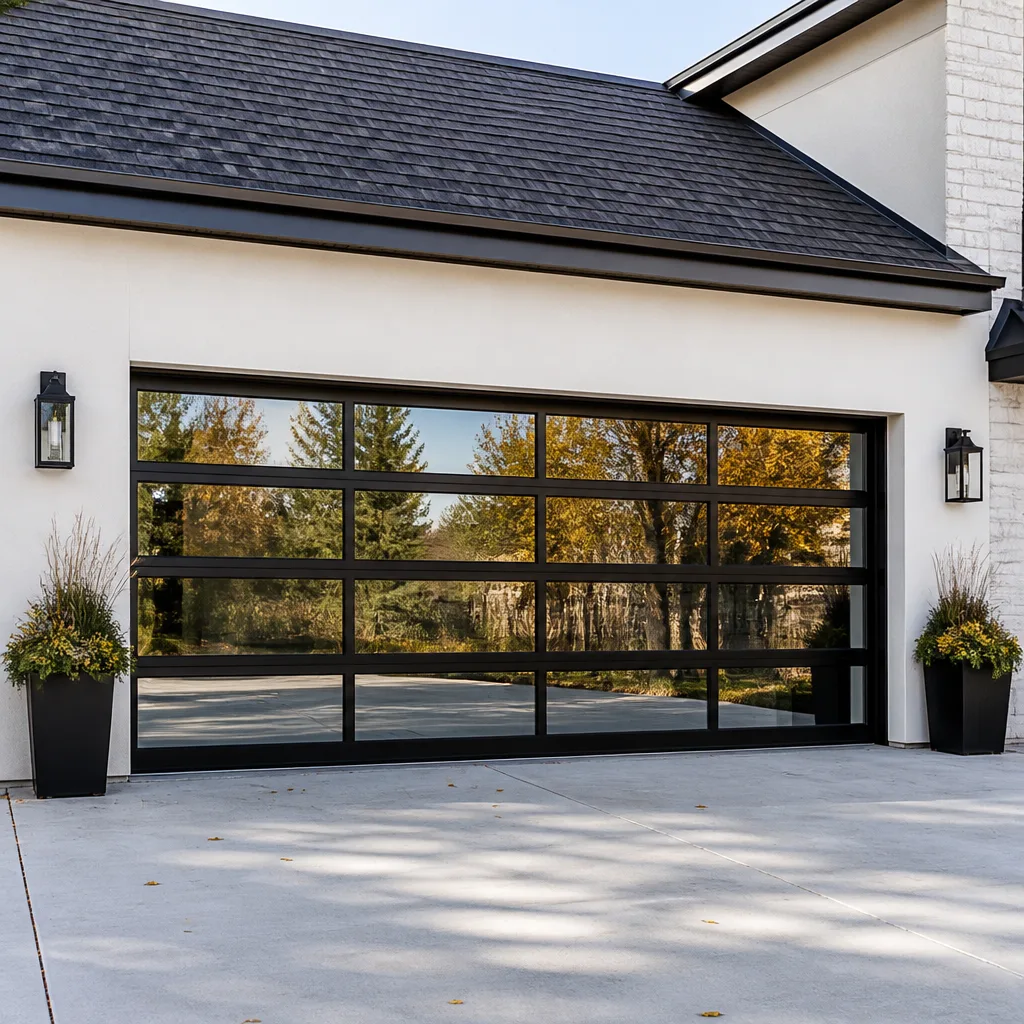 Full-view glass
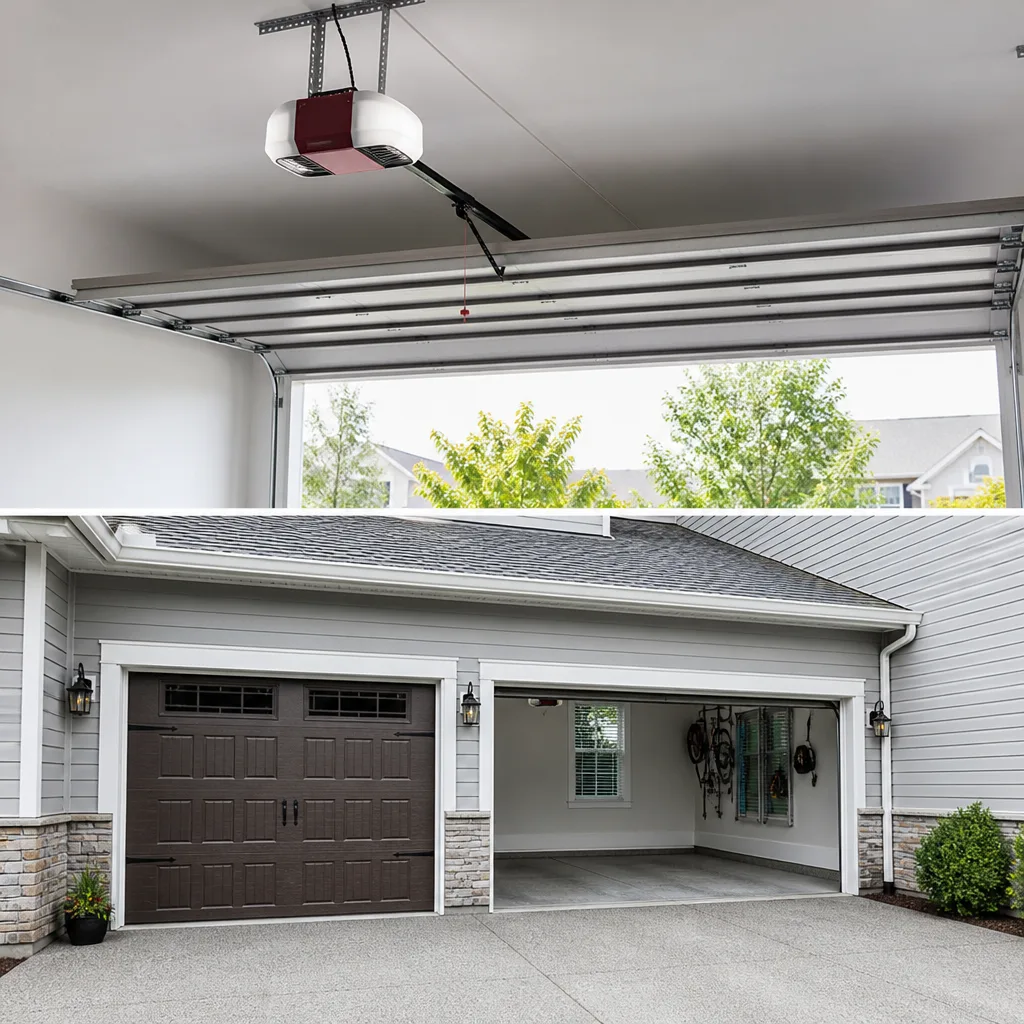 LiftMaster openers
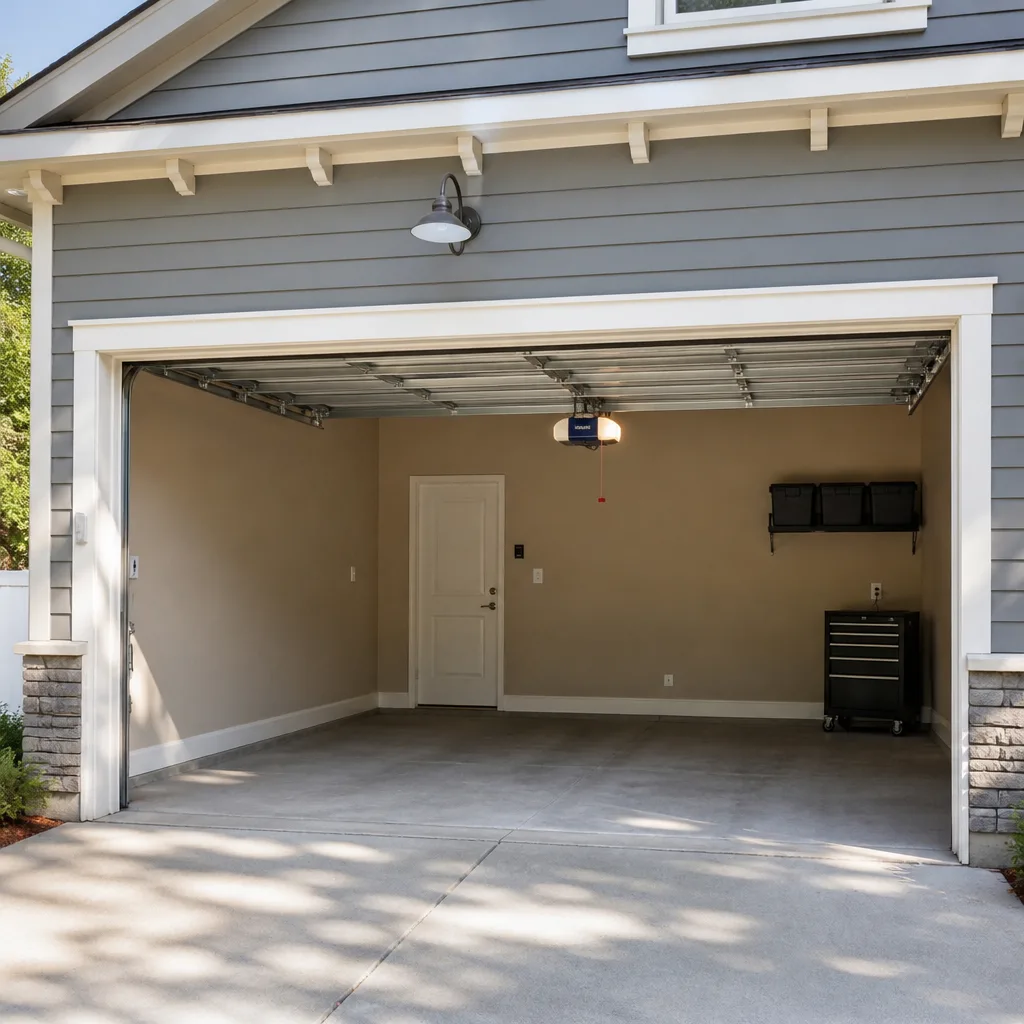 Chamberlain openers
Full 25-point door and opener safety check with every visit - springs, cables, rollers, tracks, and your LiftMaster or Chamberlain opener included
You get a price before we start. It does not change when the truck arrives.
Get your free estimateChoosing the Right Garage Door Brand: A Buyer’s Guide for The Villages
Here’s something that surprises most homeowners in The Villages: the badge on your garage door matters far less than whether a Lake County technician can get parts for it next week. We’ve watched residents pay $4,000 for a premium door from a nationally advertised brand, only to wait six weeks for a simple hinge because the nearest stocking dealer is in Orlando. Meanwhile, a mid-range door from a brand with two local distributors gets fixed same-day. Our complete guide to garage door in The Villages strips away the marketing gloss and looks at what actually determines whether you’ll be happy with your garage door in year five, not year one. You’ll learn how to evaluate brands by parts availability in central Florida, which steel and finish combinations survive humidity best, and how to read warranty language like a claims adjuster, not a brochure reader.
Styles & brands we work with
Quick Answer
The best garage door brand for a Florida homeowner is the one with reliable local parts distribution and a steel gauge thick enough to resist the humidity-driven corrosion common in The Villages. Among widely available brands, buyers should prioritize 24-gauge or thicker steel, factory-applied rust-inhibiting primer, and a dealer network that extends into Lake County rather than stopping at the Orlando city limits. Working with a multi-brand service provider gives you an honest comparison across brands because there’s no commission-driven loyalty to one manufacturer.
Table of Contents
- Why Parts Availability Beats Brand Rankings Every Time
- How Florida’s Climate Tests Garage Door Materials
- Steel Gauges Explained: What Actually Holds Up Here
- Warranty Language: What’s Enforceable vs. What’s Marketing
- Opener Ecosystems and Smart-Home Compatibility
- Why Multi-Brand Expertise Gives You a Straighter Answer
- How to Check Local Parts Availability Before You Buy
- Common Mistakes to Avoid
- When to Call a Professional
- Frequently Asked Questions
- The Bottom Line
Why Parts Availability Beats Brand Rankings Every Time
Every garage door brand publishes a “dealer locator” map that looks impressive on a laptop screen. Zoom in on central Florida and you’ll see pins everywhere. But those pins don’t tell you which dealers actually stock parts, which ones only order on demand, and which ones service the door two years after the sale. In our experience working across The Villages and surrounding Lake County communities, we’ve seen dramatic differences in how quickly parts arrive depending on the brand.
Here’s what actually happens when your door needs a repair. Let’s say a torsion spring fails, which is the most common garage door issue we see. A local dealer that stocks springs for your door brand can complete the repair same-day. A dealer that doesn’t stock parts places an order with the manufacturer, and the homeowner waits. That wait can stretch from three days to three weeks depending on the brand’s distribution strategy.
Raynor, for example, operates through a tighter network of independent distributors. When a distributor covers central Florida well, parts move fast. But when that distributor’s territory thins out, availability suffers. Wayne Dalton, by contrast, has a broader big-box retail presence, which means basic hardware is easier to find, but specialized components like panel sections for discontinued lines can take longer to source.
Amarr has invested heavily in regional distribution centers, which helps their dealers in the Southeast keep common parts in stock. Craftsman, now sold primarily through retail channels, relies on a mixed supply chain that sometimes means ordering through the retailer’s parts network rather than a dedicated garage door distributor.
The takeaway for a homeowner in The Villages: before you fall in love with a specific door model, read our Complete Garage Door Repair Guide for The Villages Homeowners and ask a local service provider how quickly they can get parts for that exact brand and model line. The answer will tell you more about long-term ownership than any brand ranking list.
How Florida’s Climate Tests Garage Door Materials
Florida humidity is not kind to garage doors. Morning condensation, afternoon thunderstorms, and the constant presence of moisture in the air create a corrosion environment that manufacturers in the Midwest don’t always design for. The Villages sits in USDA Hardiness Zone 9b, but more importantly, it sits in a humidity belt that runs from the Gulf across the center of the state. Your garage door faces conditions closer to a coastal environment than an inland one, even though you’re 50 miles from the Gulf.
Here’s what humidity actually does to a garage door over time:
- Rust blooms at the bottom panel first. The bottom section sits closest to ground moisture and catches splash-back from rain hitting the driveway. Poorly primed steel shows rust blooms here within 18-24 months in The Villages.
- Hardware corrodes before panels do. Hinges, brackets, and fasteners often use lower-grade galvanization than the panel steel. We regularly replace corroded hardware on doors whose panels still look fine.
- Polyurethane insulation handles humidity better than polystyrene. If you’re buying an insulated door, the type of insulation matters. Polystyrene panels can absorb moisture over time in humid climates. Polyurethane foam is a closed-cell material that resists moisture intrusion.
- Wood doors require an aggressive maintenance schedule. A wood door in Florida needs repainting or resealing every two to three years. Skip that cycle and you’ll see warping, panel splitting, and wood rot within five years. Steel and fiberglass are the lower-maintenance choices for this climate.
Brands that apply factory-applied rust-inhibiting primer to their steel panels perform noticeably better here. Amarr’s factory finishing includes a two-coat process on most lines. Wayne Dalton’s steel doors typically include a baked-on primer layer. The difference shows up around year three, when doors without proper priming start showing rust around panel edges and stamped perforations.
Steel Gauges Explained: What Actually Holds Up Here
Steel gauge is the most misunderstood specification in garage door buying. Lower gauge numbers mean thicker steel. A 24-gauge door is thicker than a 26-gauge door. That’s counterintuitive for most buyers, so let’s lock it in: lower number, thicker steel, better dent resistance.
Here’s what the common gauges mean in practice for a door in The Villages:
- 25-gauge and 26-gauge steel: These are budget doors. They’re lighter, cheaper, and dent more easily. A stray golf ball, a bicycle handlebar, or a well-aimed hurricane branch will leave a visible dent. For a garage that’s strictly used for parking cars and never gets any activity around it, a 26-gauge door works. For most homeowners, it’s a false economy.
- 24-gauge steel: This is the sweet spot for residential doors in Florida. Noticeably better dent resistance than 26-gauge, still reasonably priced, and available from most major brands including Amarr, Wayne Dalton, and Clopay. At our shop, we recommend 24-gauge as the minimum for a door that will see regular use.
- 22-gauge and thicker: Commercial-grade steel. Most manufacturers offer this in their premium residential lines. The extra weight requires beefed-up hardware and springs, which adds cost. If you’re buying a door for a golf-cart garage or a workshop, the extra durability makes sense. For a standard two-car garage, 24-gauge is usually the right call.
One more Florida-specific factor: gauge affects how the door behaves in high winds. A thicker door resists wind deflection better, which matters during summer thunderstorm microbursts and the occasional tropical storm system. Lake County building codes require wind-load ratings on garage doors, but a thicker-gauge door exceeds minimum code requirements without needing a special order.
Warranty Language: What’s Enforceable vs. What’s Marketing
Every garage door brochure includes a warranty section with impressive-sounding numbers. “Lifetime limited warranty on panels.” “15-year warranty on hardware.” “5-year warranty on springs.” These phrases create confidence, but the actual enforceability depends on details most buyers never read.
The most important distinction is between a manufacturer’s warranty and a dealer-backed warranty. A manufacturer’s warranty covers defects in materials and workmanship, but the claim process runs through the manufacturer’s own evaluation. You can’t take a warranty claim to the local dealer and expect them to absorb the cost automatically. The dealer submits the claim, the manufacturer approves or denies it, and parts ship when approved. That process can take weeks.
A dealer-backed warranty, where the installing company covers labor and handles parts replacement directly, is worth far more in daily use. When the installing dealer stocks parts for your brand, warranty work happens fast. When they don’t, you wait on the manufacturer’s timeline.
Here are the specific clauses to check in any warranty document:
- Rust-through coverage vs. cosmetic rust. Most “lifetime” steel door warranties only cover rust that perforates completely through the panel. Surface rust, the kind you see on a door after three Florida summers, is almost always excluded. Read the exact wording. If it says “rust-through,” cosmetic rust is on you.
- Paint and finish coverage duration. Many manufacturers cover the factory finish for only one to three years. After that, fading and chalking are considered normal wear. In Florida sun, finishes fade faster than the manufacturer’s testing suggests, so know what you’re getting.
- Hardware warranty terms. Springs, cables, hinges, and rollers wear out. Most manufacturers offer one to five years on hardware. Some brands, like Raynor, offer longer terms on their premium lines. Compare hardware warranty length between brands you’re considering.
- Transferability. If you sell your home in The Villages, does the warranty transfer to the next owner? Some brands include transferability automatically. Others require a transfer fee and registration within a certain window. This affects resale value, though modestly.
- Labor coverage. The overwhelming majority of garage door warranties are parts-only. Labor is not covered after the first year, and sometimes not even then. Every homeowner should understand this: a warranty likely won’t save you the service call fee.
Opener Ecosystems and Smart-Home Compatibility
Your garage door opener is a computer with a motor attached. Over the past decade, openers have become home automation hubs, integrating with apps, voice assistants, and security systems. That integration comes with a catch: opener ecosystems are not universal. A LiftMaster opener talks to LiftMaster’s MyQ platform. A Chamberlain opener uses the same MyQ platform because Chamberlain owns LiftMaster. A Genie opener uses Aladdin Connect. These platforms don’t always play nicely together.
This matters when you’re choosing a garage door brand because most major door brands don’t manufacture openers. Clopay, Amarr, Wayne Dalton, Raynor, and Craftsman doors typically pair with openers from whichever opener brand you choose. But manufacturer warranties and dealer recommendations often steer you toward specific opener pairings, and those pairings have implications for how your smart home works.
Here’s what to think about if smart-home integration matters to you:
- MyQ dominance. LiftMaster and Chamberlain openers run on MyQ, the most widely adopted garage door platform. It integrates with Amazon Key, Google Assistant, Apple HomeKit via bridge, and most home security systems. If you want maximum ecosystem compatibility, MyQ-based openers are the safest choice.
- Genie’s Aladdin Connect. Genie openers use their own platform. Aladdin Connect works with Alexa and Google Assistant but has fewer third-party integrations than MyQ. If your home automation runs on a less common platform, verify compatibility before buying.
- Third-party bridges. Various aftermarket devices can bridge opener signals into smart-home platforms. They work, but they add a failure point and sometimes introduce delay. We’ve seen homeowners buy a bridge and then discover it doesn’t support their specific opener’s security protocol.
- Proprietary security codes. Modern openers use rolling-code security. When you mix brands, you need to make sure your opener and any wall console or remote accessories use compatible rolling-code systems. Mismatched codes are a common source of opener issues we get called about.
For homeowners in The Villages who want reliable remote monitoring, especially when they’re away for seasonal travel, opener ecosystem compatibility is a decision that affects daily use far more than the garage door brand itself. We recommend deciding on your opener ecosystem first, then selecting a door brand that pairs naturally with that opener.
Why Multi-Brand Expertise Gives You a Straighter Answer
Single-brand showrooms have an incentive problem. A dealer who sells only one garage door brand will recommend that brand whether or not it’s the best choice for your specific situation. That’s not dishonesty; it’s the natural consequence of a business model that only has one product on the shelf. The recommendation you get is constrained by what they sell.
A multi-brand service provider operates differently. Since we service doors from LiftMaster, Chamberlain, Genie, Clopay, Amarr, Wayne Dalton, Craftsman, and Raynor, our recommendation isn’t limited by inventory commitments. When a homeowner in The Villages asks us which brand to buy, we evaluate their actual needs: budget, insulation requirements, aesthetic preferences, opener compatibility, expected maintenance, and the neighborhood’s typical door style. The answer comes from comparison, not from loyalty.
This matters most when you’re deciding between DIY vs professional garage door repair and replacement. A single-brand dealer has a financial incentive to recommend replacement when repair might extend the door’s life another five years. A multi-brand service company can look at your existing door, evaluate parts availability for that specific model, and give you an honest assessment. Sometimes the right answer is a $300 repair. Sometimes it’s a $3,500 replacement. The service provider you work with should be able to support either outcome without pressure.
Our business model is built around the full lifecycle. We handle minor repairs like broken springs and cables, we do opener work including motor replacement and smart-home integration, and we install complete new doors. That range of service means we see what breaks on each brand over time. We know which Wayne Dalton models develop roller issues, which Amarr models have excellent longevity, and which Craftsman lines have parts supply challenges. That accumulated knowledge shapes better recommendations than any spec sheet comparison.
How to Check Local Parts Availability Before You Buy
Parts availability is not a theoretical question. It’s a checkable fact, and you should check it before committing to a door brand. Here’s a practical process to evaluate whether a brand has real local support in the Lake County area:
- Call a local service company, not a showroom. Service companies handle warranty work and parts replacement daily. They know which brands have fast parts supply chains and which ones don’t. Ask directly: “How quickly can you get parts for a [brand name] door in this area?” A straight answer tells you what you need to know.
- Ask where the distributor is located. A door brand with a regional distributor in Orlando or Ocala will supply Lake County faster than one whose nearest distributor is in Atlanta. Garage door panels and sections ship freight, not parcel. Distance and freight scheduling affect wait times.
- Check which parts are commonly stocked. Springs, cables, rollers, hinges, and brackets are the high-wear items. Ask a service provider whether they stock these parts for the brand you’re considering. If the answer is “we can order them,” budget for longer repair timelines.
- Verify discontinued model support. Garage door manufacturers discontinue specific models regularly. If you’re buying a door that’s been in production for less than two years, ask what the support window looks like. A brand known for keeping legacy parts available is worth paying extra for.
- Consider the installer’s supplier relationships. An installation company that buys directly from the manufacturer or a major regional distributor has better parts access than one ordering through a middleman. Ask where your installer sources their doors and parts.
This evaluation takes about an hour of phone calls and saves months of potential frustration. The Villages Garage Door Service works with all eight major brands, and we’re glad to share what we know about parts availability for any brand you’re considering. For more guides & resources, explore our blog. If you’re comparing options, give us a call and we’ll tell you what we see in the field.
Common Mistakes to Avoid
- Buying based on brand name recognition alone. A nationally advertised brand name doesn’t translate to local parts availability. Some of the most recognizable garage door brands have the thinnest local support networks in central Florida. Check distribution before you check brand rankings.
- Assuming all steel doors resist rust equally. Steel base material is only part of the equation. Factory priming, finish quality, and galvanization treatment determine whether a door rusts in year three or year ten. Ask about the specific rust-prevention process for any door you’re considering.
- Overlooking the opener ecosystem. Homeowners often choose a garage door brand first and an opener second, then discover the opener doesn’t integrate with their existing smart-home setup. Decide on opener compatibility before finalizing your door purchase.
- Reading warranty headlines instead of warranty text. “Lifetime warranty” usually means lifetime rust-through coverage, not lifetime protection against cosmetic rust, hardware wear, or finish fading. Read the full warranty document and ask about exclusions.
- Ignoring the bottom panel. The bottom section of a garage door takes the most abuse from moisture, road splash, and physical impact. Ask specifically about the reinforcement and corrosion treatment on the bottom panel, not just the door as a whole.
- Skipping the local support check. The most expensive garage door mistake in The Villages is buying a door from a brand with no local parts infrastructure. A premium door you can’t get fixed is worse than a mid-range door you can have repaired same-day.
- Choosing insulation type without understanding Florida humidity. Polystyrene insulation can absorb moisture in humid climates. Polyurethane foam resists moisture and provides better structural rigidity. The insulation choice matters as much as the steel gauge for year-round comfort in a Florida garage.
When to Call a Professional
Certain garage door decisions are checkable on your own: steel gauge, warranty language, opener compatibility. But once you’re ready to make a decision, having an experienced set of eyes on your specific situation changes everything. A professional can measure your opening accurately, assess your existing hardware for compatibility, evaluate whether your track system will handle the weight of a new door, and give you a written quote that won’t change when work starts. We recommend calling a professional when you’re ready to choose specific door models, when you need insulation recommendations for a Florida garage, and when you’re deciding between repair and replacement. If you’re in The Villages, The Villages Garage Door Service offers free estimates and works across all major door brands, so the recommendation you get reflects what’s actually best for your home, not what we happen to stock. Call (855) 382-0952 to schedule a consultation.
Frequently Asked Questions
A new garage door in The Villages typically costs between $1,200 and $4,500 installed, depending on size, steel gauge, insulation type, and brand. Budget single-bay doors start around $1,200, while insulated double-bay doors from premium brands like Amarr or Wayne Dalton run $2,500 to $4,500. The final price includes removal of the old door, hardware, track adjustment, and installation labor. Call (855) 382-0952 for an exact quote, free of charge.
Brands with factory-applied rust-inhibiting primer and heavier gauge steel perform best in Florida humidity. Amarr and Wayne Dalton both offer doors with multi-step corrosion protection that holds up well in Lake County’s climate. The key specification to look for is the primer and finish process, not the brand name alone. A 24-gauge door with good factory priming will outperform a 26-gauge door from a “premium” brand that skimps on corrosion protection.
Yes, most garage doors work with openers from any major brand. The door itself is compatible with any properly sized opener. The compatibility question is about smart-home integration: a LiftMaster opener uses MyQ, a Genie opener uses Aladdin Connect, and those platforms don’t always integrate with each other or with third-party smart-home systems. Choose your opener ecosystem first, then select a door that pairs with it.
A garage door warranty typically covers manufacturing defects in panels and hardware for a specified period, usually between one year and lifetime for rust-through only. Most warranties exclude cosmetic rust, finish fading, hardware wear, and labor costs after the first year. The warranty is parts-only in almost all cases. Before relying on a warranty, ask your dealer what they cover directly versus what requires a manufacturer claim process.
A standard garage door installation in The Villages takes 3 to 6 hours for a single door when the door is in stock. Custom orders or special-size doors require 2 to 6 weeks for manufacturing and freight delivery. If you’re replacing an existing door with a standard size, same-week installation is usually achievable. Call (855) 382-0952 to check current installation timelines for your specific door size.
Repair is usually the right call if the damage is limited to one component, like a broken spring, cable, or roller, and the door panels are structurally sound. Replacement makes sense when panels are rusted through, the door is over 15 years old with multiple failing components, or you want to upgrade insulation and aesthetics. A multi-brand service provider can assess both options without a financial incentive to push replacement. We’re glad to give you an honest recommendation based on what we see in the field.
The Bottom Line
Choosing a garage door brand in The Villages comes down to three factors that matter more than any marketing pitch: local parts availability, steel gauge with proper corrosion protection, and opener ecosystem compatibility. The brand badge itself tells you very little. What tells you everything is whether a Lake County service provider can get parts for that brand quickly, whether the steel will survive five years of Florida humidity without rusting through, and whether the opener will integrate with the smart-home setup you actually have. If you work with a multi-brand specialist, you get straight answers on all three. If you’re in The Villages and want help comparing brands, we’re happy to share what we know from years of repairing and installing every major door brand in this community. Call (855) 382-0952 for a free estimate, or reach out through our repair service page, our opener repair page, or our installation page to learn more about what we do.
Written by the team at The Villages Garage Door Service, serving The Villages since 2016.
See the difference
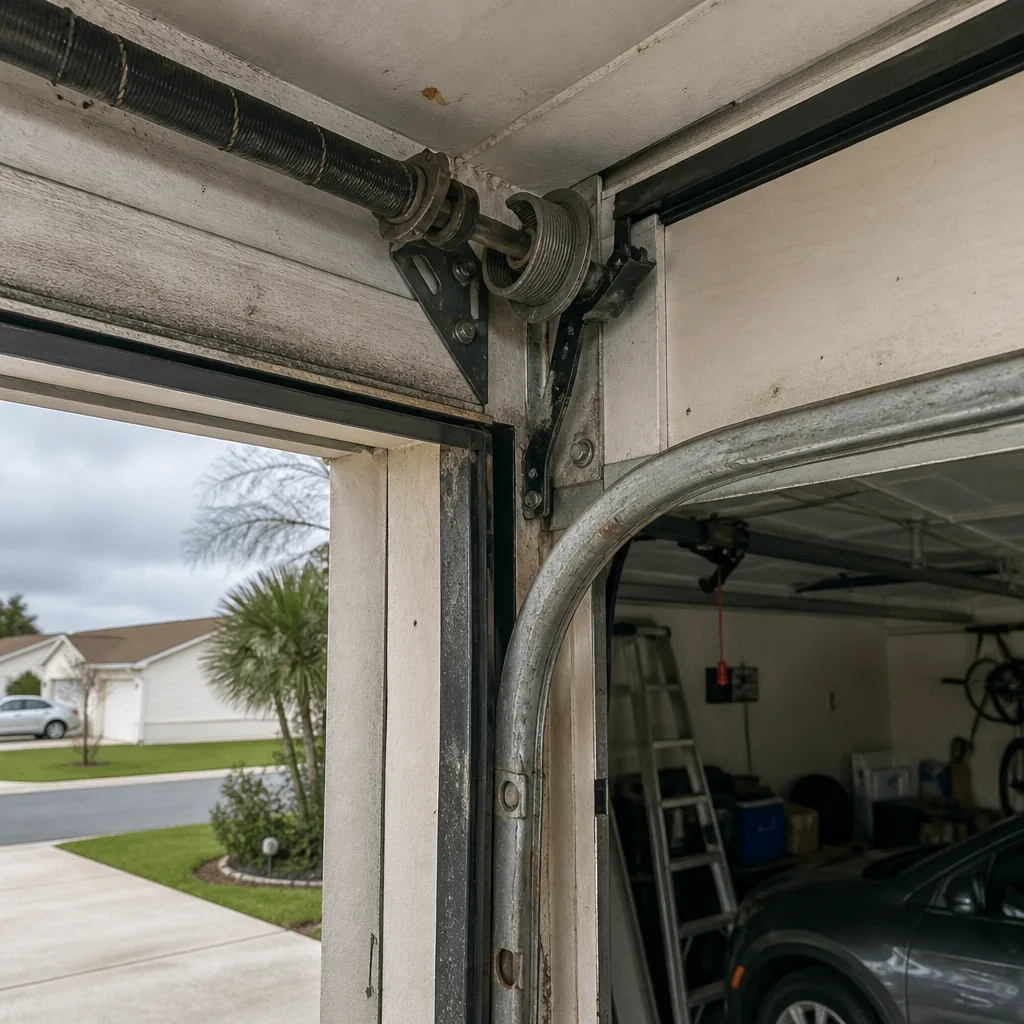 Before
 After
 Before
 After
 Before
 After