Last updated October 31, 2026
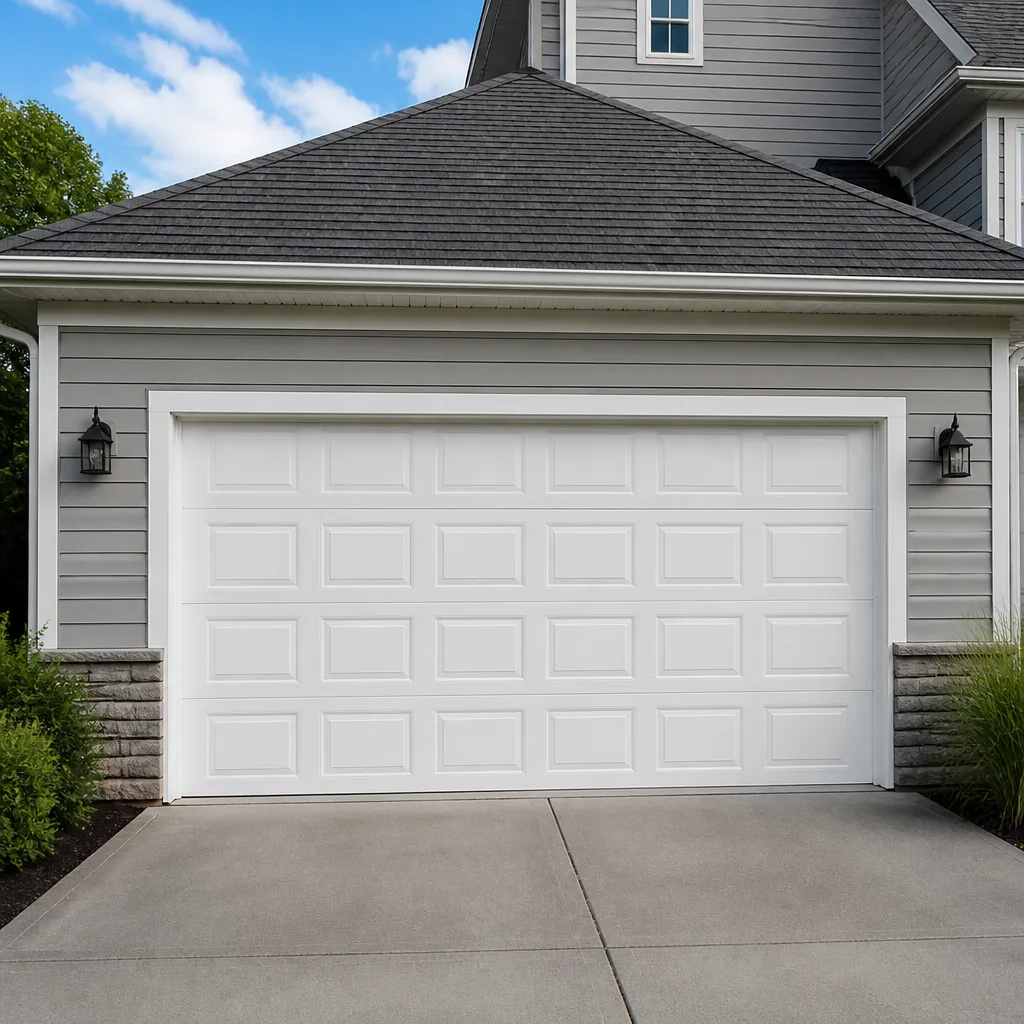 Raised-panel steel
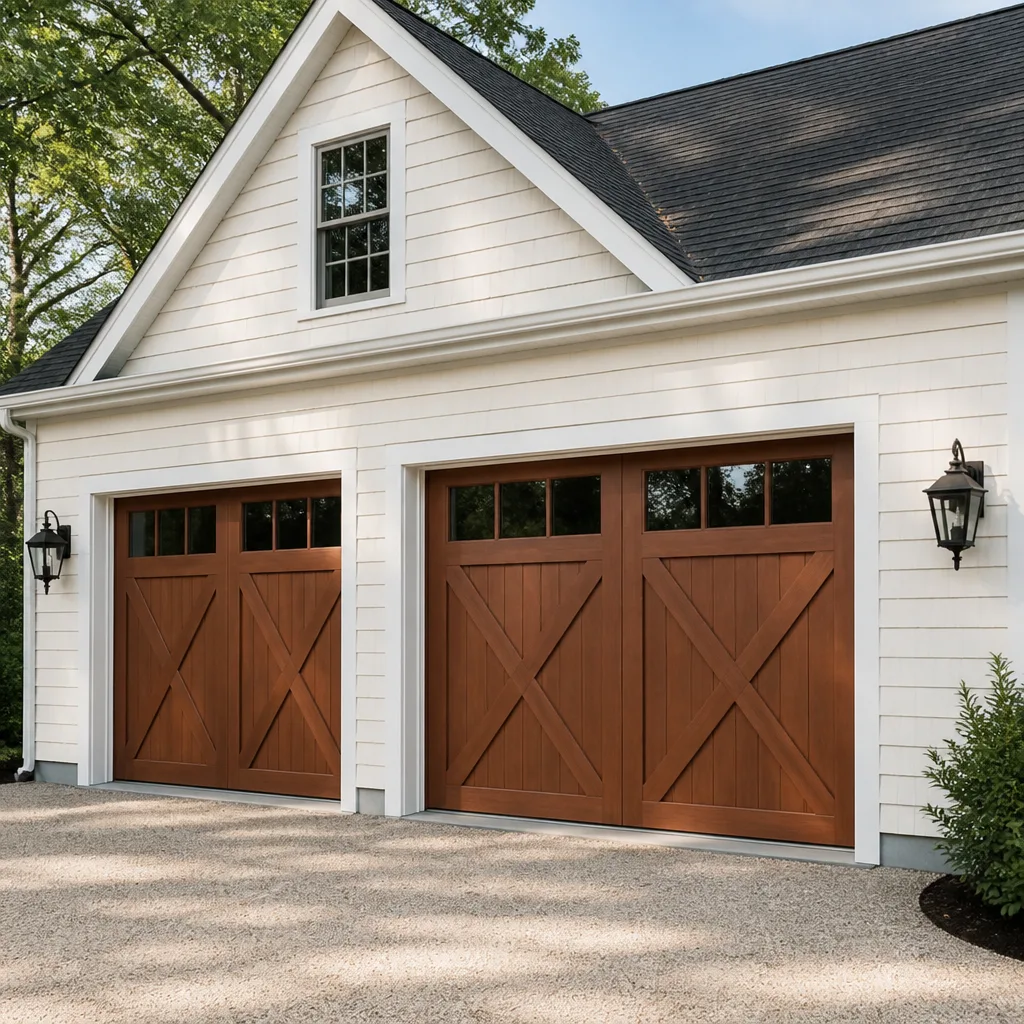 Carriage house
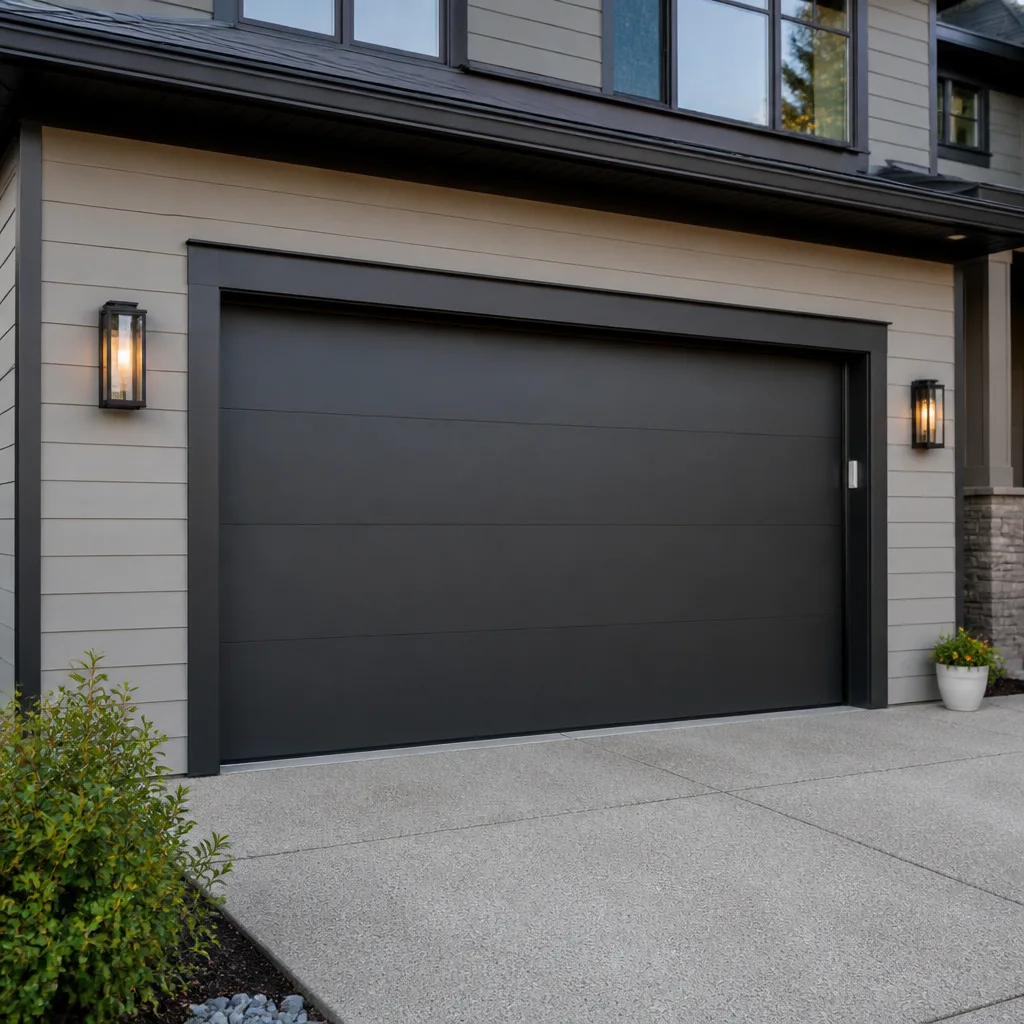 Modern flush
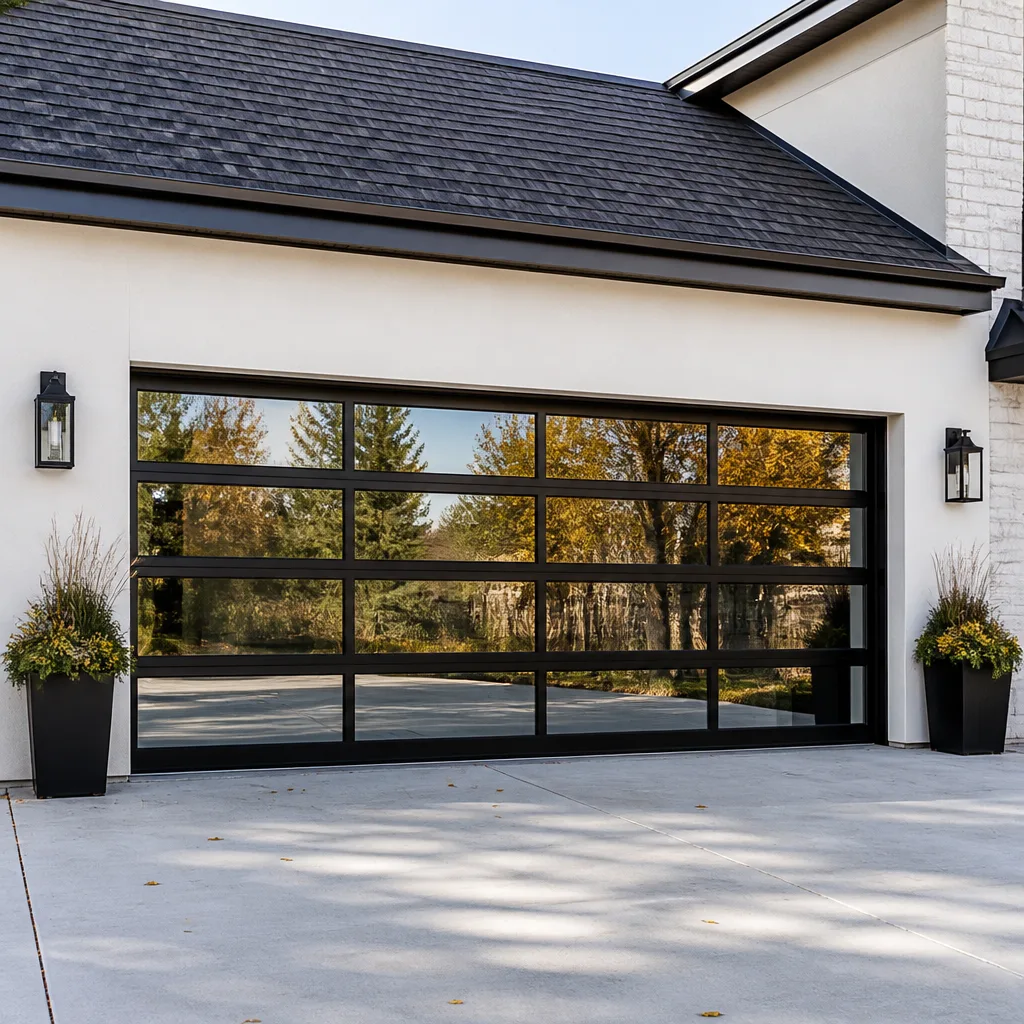 Full-view glass
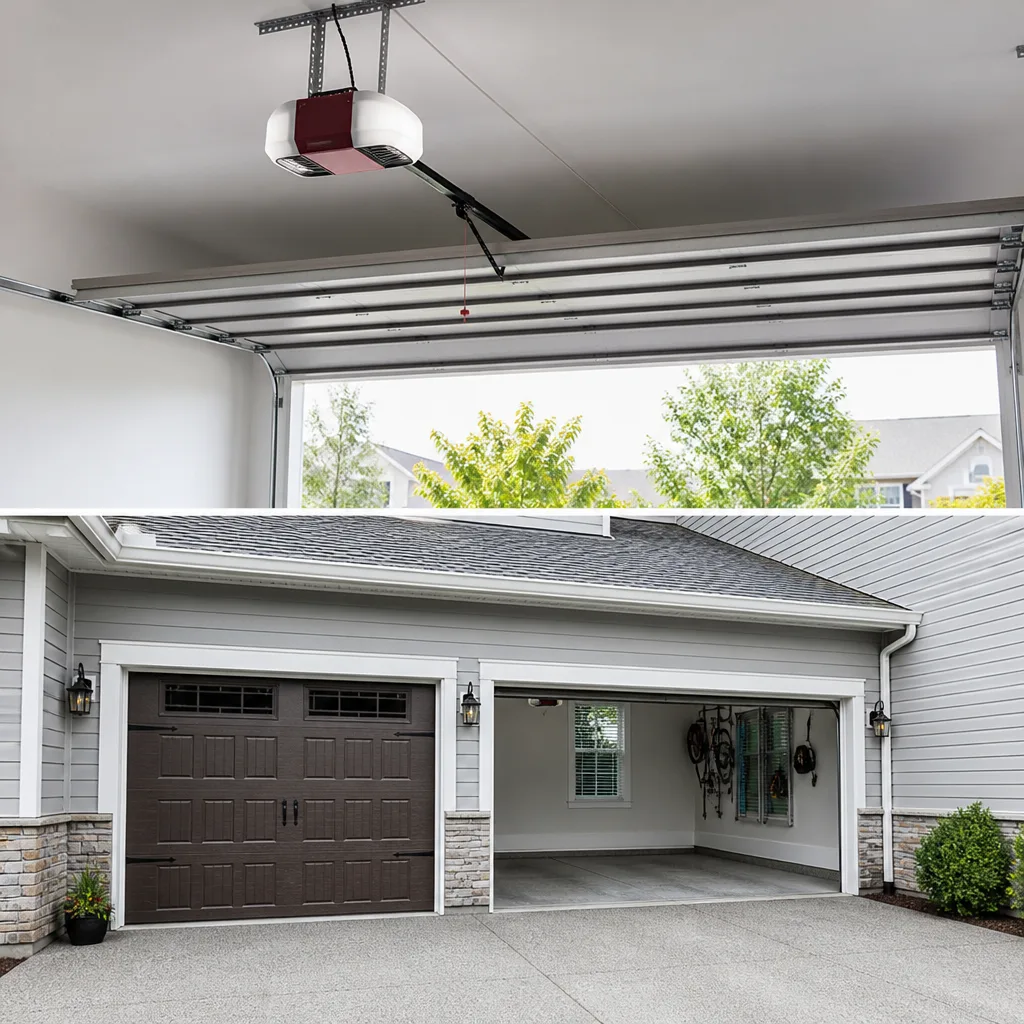 LiftMaster openers
 Chamberlain openers
Full 25-point door and opener safety check with every visit - springs, cables, rollers, tracks, and your LiftMaster or Chamberlain opener included
You get a price before we start. It does not change when the truck arrives.
Get your free estimateSeasonal Garage Door Care for The Villages, FL: Year-Round Homeowner’s Guide
Most seasonal garage door guides tell Florida homeowners to prep for freezing temperatures, a problem that almost never happens in The Villages, FL. Meanwhile, they skip the June through September moisture and storm cycle that actually destroys local hardware. This guide maps specific garage door tasks to Central Florida’s real weather calendar: a brutal summer heat and humidity season, a mild dry winter, and a shoulder period where hurricane prep is everything. For a deeper dive, see The Complete Guide to Garage Door in The Villages. We’ll walk through what to check, when to check it, and when to call someone who works on the brand you already own.
Styles & brands we work with
Quick Answer
Seasonal garage door care in The Villages, FL means three things: a pre-hurricane-season reinforcement check in April and May, monthly humidity and heat inspections from June through September, and a dry-season maintenance window from December through February for painting, hardware replacement, and resealing. Most homeowners can handle the visual checks themselves, but springs, cables, and opener electronics need professional attention at least twice a year. Our The Complete Garage Door Repair Guide for The Villages Homeowners covers what those visits should include.
Table of Contents
- Pre-Hurricane Season Prep: April-May Checklist
- Summer Heat and Humidity: What Actually Fails
- Post-Storm Inspection: The Five-Point Check
- Dry Season Opportunities: December-February
- Why Mascotte’s Microclimate Changes the Rules
- Monthly Maintenance Calendar for The Villages Homeowners
- Common Mistakes to Avoid
- When to Call a Professional
- Frequently Asked Questions
- The Bottom Line
Pre-Hurricane Season Prep: April-May Checklist
Hurricane season officially starts June 1, but the smart homeowners in The Villages start preparing in April. The reason is simple: once a named storm enters the Gulf, every garage door company within fifty miles gets booked solid within 48 hours. If your door has a weak point, you want to know about it before the weather channel starts running storm tracks.
Here’s the pre-season checklist we recommend, in order of priority:
- Test the balance. Disconnect the opener by pulling the red release cord, then lift the door manually about halfway. A properly balanced door stays put. If it drops or flies up, the springs need attention. Springs that are already struggling will fail under storm-pressure loading.
- Inspect all rollers and hinges. Look for cracked nylon wheels, worn metal rollers, and hinge screws backing out. In Florida humidity, rust forms faster than most homeowners expect.
- Check weatherstripping and bottom seal. Driving rain finds every gap. The bottom seal on a garage door in The Villages typically lasts 2 to 3 years before it hardens and cracks. Replace it if you can see daylight underneath or if it feels brittle to the touch.
- Reinforce or inspect the door itself. If your door is older and you’re in a home built before the 2001 Florida Building Code update, check whether it meets current wind-load standards. Some older doors in The Villages need retrofit bracing. A garage door that fails during a storm is the leading cause of roof loss, because it lets pressure inside the house.
- Test the opener’s battery backup. Power outages follow every serious storm in Lake County. If your opener has a battery backup, run a test cycle on battery power alone. If it doesn’t have one, consider it before June.
We’ve seen doors in The Villages pass this checklist in April and still sustain damage in September, which is why the post-storm section below exists. But the pre-season check catches 90% of the problems that turn a minor storm into a major repair bill.
Related: Garage Door Repair in Mascotte covers what we fix most often in the weeks leading up to storm season.
Summer Heat and Humidity: What Actually Fails
June through September in The Villages brings daily highs in the 90s, afternoon thunderstorms, and humidity that rarely drops below 70%. That combination is harder on garage door hardware than any winter freeze. Here’s what fails, why it fails, and what to watch for.
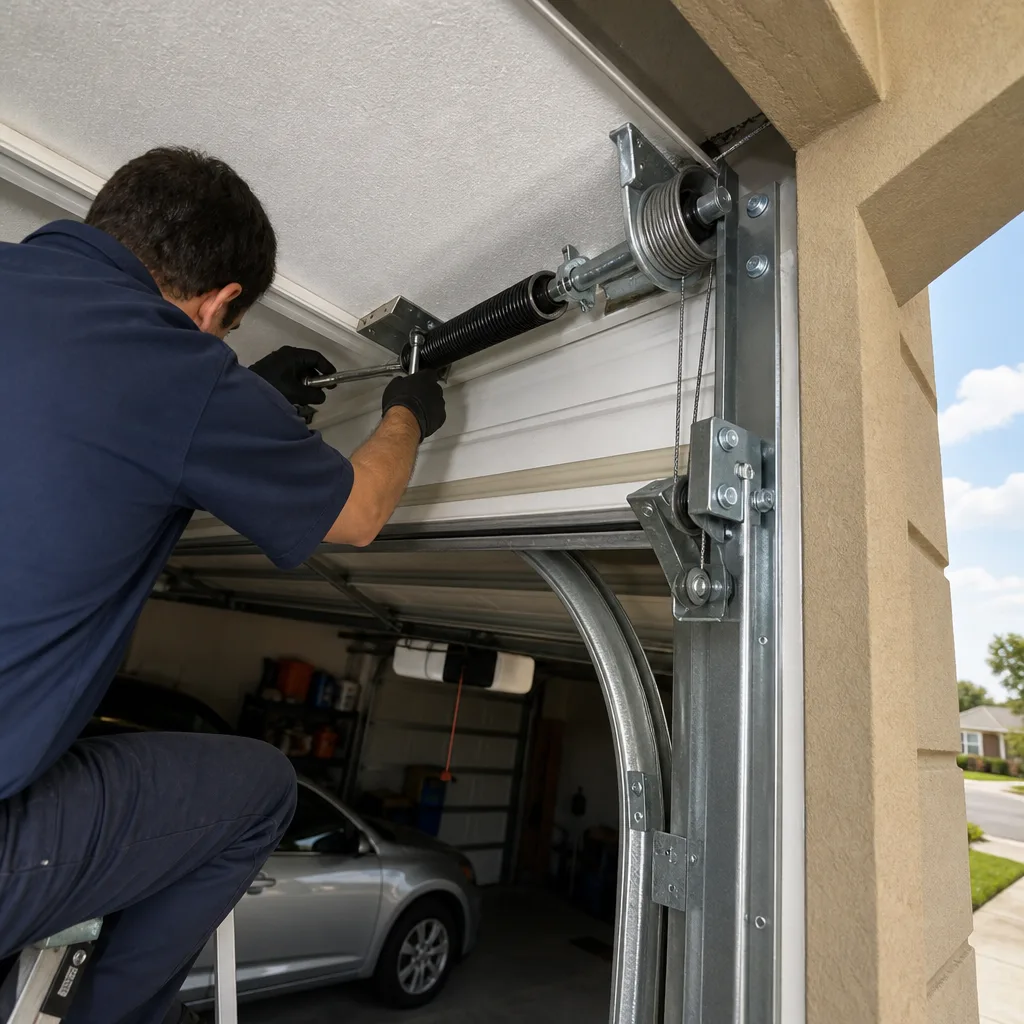
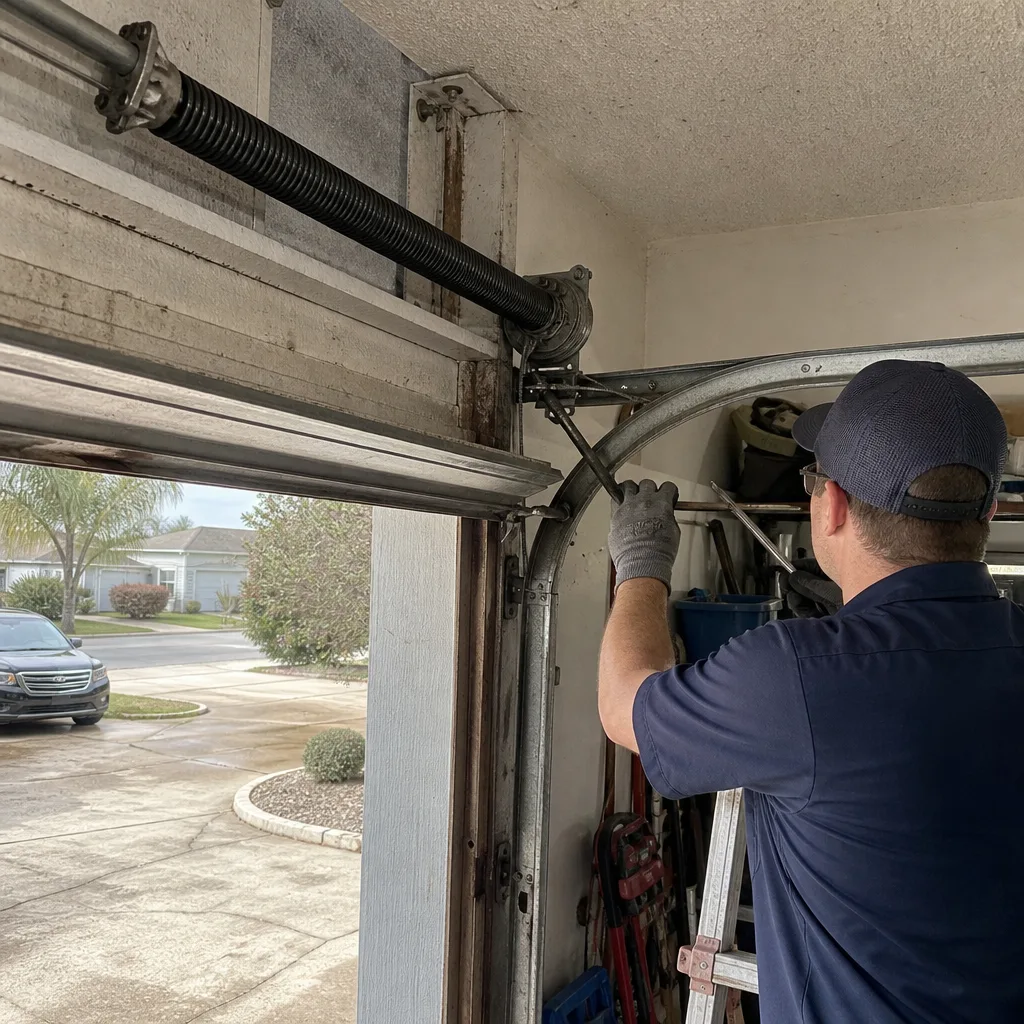
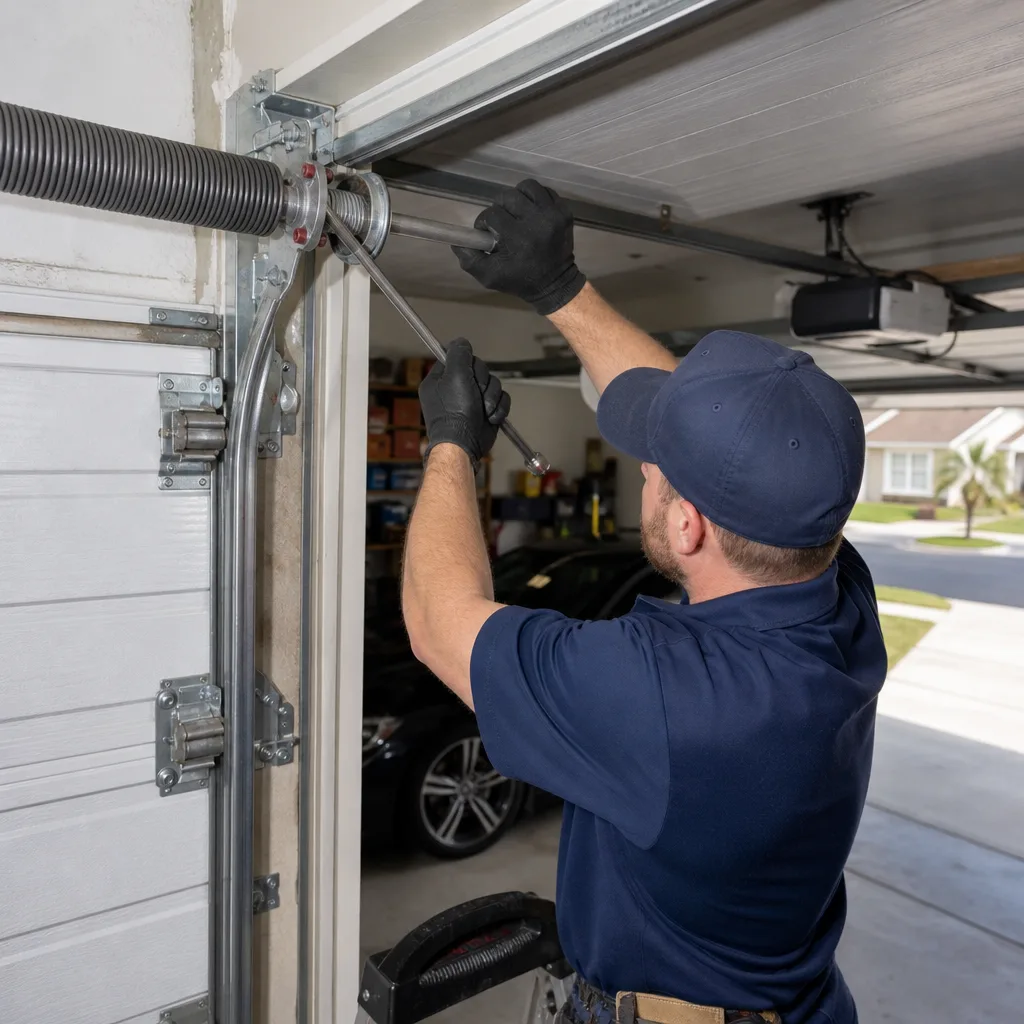
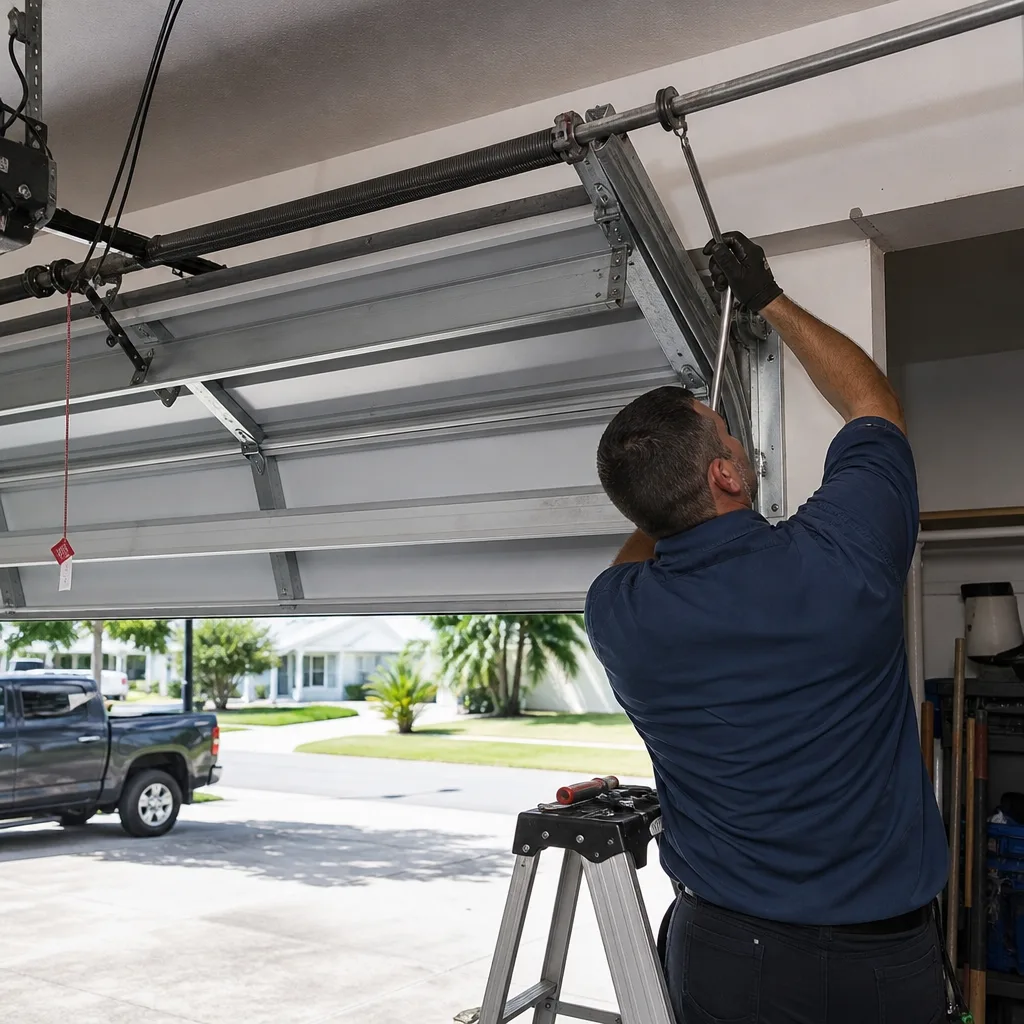
Springs fatigue faster in heat. Garage door torsion springs are rated for a certain number of cycles, but that rating assumes moderate temperatures. Sustained heat causes the metal to expand and contract daily, which accelerates fatigue. A spring rated for 10,000 cycles in a mild climate might fail at 7,000 cycles in Central Florida. If you hear a loud bang from the garage, that’s a spring letting go. Do not try to replace it yourself. Torsion springs are under extreme tension and can cause serious injury. Call a professional.
Cables corrode in humidity. The steel cables that lift your door are vulnerable to rust in ways that most homeowners never see until one snaps. A frayed cable is a warning sign. Look for broken strands near the bottom brackets. If you spot them, don’t run the door. A snapped cable turns a balanced door into a dangerous projectile.
Opener electronics struggle with moisture and heat. Garage door openers generate heat when they run, and a 95-degree garage means the motor is already starting hot. Circuit boards also dislike humidity. We regularly see openers in The Villages that fail in August simply because condensation builds on logic boards after months of thermal cycling. If your opener starts running intermittently, reboots on its own, or refuses to respond to remotes, the heat and moisture are likely culprits. Garage Door Opener Repair in Mascotte is a service we handle for LiftMaster, Chamberlain, and Genie units all summer long.
Rollers and hinges wear faster with daily use. Most residents in The Villages use their garage as their primary entry point, and that means the door cycles multiple times per day. In summer, nylon rollers soften slightly, metal rollers sweat, and hinge pins collect moisture. A quick visual check every month during summer catches wear before it becomes a broken wheel on a Saturday afternoon.
Seals degrade under UV and rain. The rubber bottom seal faces two enemies in summer: direct sun on the lower panel and standing water after every afternoon downpour. When the seal fails, you get leaves, insects, and water inside the garage. You also get higher cooling bills if you have any conditioned space connected to the garage.
Post-Storm Inspection: The Five-Point Check
After any named storm passes through Lake County, take five minutes to check the following. Even a Category 1 storm can shift a door enough to cause a failure weeks later.
- Cycle the door once and listen. New grinding, scraping, or popping sounds after a storm mean something moved. Stop and inspect before assuming it’s fine.
- Check the tracks for misalignment. Look at the vertical tracks on both sides. A door that took a wind hit can bow a track by a quarter inch, which is enough to make the door bind or jump. If you see a gap between the roller and the track, don’t run the opener.
- Inspect the bottom seal for tearing. Storm debris and wind-driven water can tear a seal that was already marginal. Run your hand along the bottom edge after the door is closed.
- Test the opener’s force settings. After a power surge or outage, some openers reset to factory defaults or lose their limits. Run the door and watch for any reversal in the wrong place.
- Look at the mounting hardware. The opener rail, spring anchor brackets, and end bearing plates all take stress during a storm. Loose bolts are a quick fix now and a major failure later.
If any of the five points shows a problem, call before using the door again. Storm-damaged doors are unpredictable, and the repair is always cheaper if you catch it early.
Dry Season Opportunities: December-February
December through February is the closest thing The Villages gets to a maintenance season, and it’s the best window for tasks that need dry weather and moderate temperatures. Paint adheres better, adhesives cure faster, and hardware swaps are more comfortable when the garage isn’t 95 degrees.
Paint and reseal. If your door is steel or aluminum and showing oxidation around the bottom panel, the dry season is the time to address it. Light sanding, primer where metal is exposed, and a quality exterior paint matched to your existing color will extend the door’s life by years. Florida’s dry winter days give paint a solid 24 hours to cure before the next rain cycle.
Replace hardware before it fails. Hinges, rollers, and brackets are all cheaper to replace on a schedule than after they break. If your door is 8+ years old and still on original hardware, a full hardware swap during a January appointment eliminates a summer breakdown. We work on Amarr, Wayne Dalton, Craftsman, and Raynor doors, and we keep the common hardware for these brands on hand. Not sure which brand suits your home? Read Choosing the Right Garage Door Brand: A Buyer’s Guide for The Villages.
Regrease moving parts. The rollers, hinges, and springs benefit from a light silicone spray or white lithium grease applied during dry weather. Do not use WD-40 on rollers or springs. It’s a solvent, not a lubricant, and it strips away the protective layer that keeps humidity out. A dry January day is ideal for this because the lubricant sets before humidity returns.
Consider a Door Replacement During the Off-Peak Booking Window. If your door is near the end of its useful life, January and February are the least busy months for garage door installation crews. That means more scheduling flexibility and sometimes shorter lead times for special-order doors. Garage Door Installation in Mascotte gives you the full picture of what to expect if you’re weighing repair versus replacement.
Why Mascotte’s Microclimate Changes the Rules
Coastal Florida guidance often centers on salt spray and wind-driven sand. Mascotte sits further inland, in the southern end of Lake County, and the conditions here are meaningfully different. The humidity is persistent in a way that coastal breezes sometimes offset closer to the Gulf. Still air plus high humidity equals a garage environment that accelerates rust and fatigue in hardware.
We also see afternoon thunderstorms more frequently in The Villages area than on the coast. These are short but intense, dropping an inch of rain in thirty minutes and then leaving standing water around the garage slab. That water backs up against the bottom seal and creates a constant wicking action that deteriorates the rubber faster than dry climates see.
For homeowners in The Villages, the practical takeaway is this: coastal maintenance advice is better than nothing, but it underplays humidity and overplays salt concerns. Your door isn’t fighting ocean air. It’s fighting relentless damp heat and daily sun, which means the most useful habits are monthly visual checks, proactive seal replacement, and spring and cable inspections every 12 to 18 months.
Monthly Maintenance Calendar for The Villages Homeowners
Here’s a month-by-month glimpse at what your garage door needs in The Villages, FL, based on the weather patterns we see year after year:
- January: Regrease moving parts. Test door balance manually. Schedule any hardware replacement you deferred.
- February: Touch up paint on the lower panel. Check weatherstripping around the sides and top.
- March: Inspect cables for fraying. Test opener safety reversal. Clean photoelectric sensor lenses.
- April: Begin the pre-hurricane checklist above. Replace the bottom seal if it shows wear.
- May: Finish storm prep. Test battery backup. Confirm the door meets wind-load expectations.
- June: Hurricane season starts. First monthly heat and humidity inspection.
- July: Check rollers and hinges for rust and wear. Listen for new noises during operation.
- August: Peak moisture month. Inspect opener circuit behavior. Watch for intermittent remote issues.
- September: Peak storm activity. Post-storm five-point check after any named system.
- October: Full fall inspection. This is the best month for catching anything missed during summer.
- November: Test the manual release. Make sure you can open the door by hand if the power goes out.
- December: Dry season begins. Plan paint, reseal, and hardware projects.
The point of this calendar isn’t to assign busywork. It’s to match the right task to the right season, so maintenance fits naturally around the weather instead of fighting it.
Common Mistakes to Avoid
- Using WD-40 on springs and rollers. It strips lubrication and leaves metal exposed to Florida humidity. Use white lithium grease or silicone spray instead.
- Ignoring a noisy door because “it still opens.” Grinding, squealing, and popping are early warning signals. By the time the door stops opening, the repair is usually three times more expensive.
- Deferred seal replacement. A torn bottom seal costs little to replace but invites water, pests, and higher energy bills. We see this constantly in The Villages homes where the garage door hasn’t been touched in five years.
- Assuming all seasonal guides apply to Florida. Guides written for northern climates waste your time on ice and cold-weather prep while skipping humidity and storm work. The Villages requires its own schedule.
- Waiting until a storm is in the forecast to call for repairs. Every garage door company in Lake County is slammed in the 48 hours before a storm. Do your inspection in April and fix issues then.
- Attempting DIY spring and cable work. These components are under extreme tension and kill or seriously injure people every year. No amount of YouTube research makes this a safe DIY project.
When to Call a Professional
Some tasks are a natural fit for a Saturday afternoon. Others need training and equipment. Call a professional if you notice any of these: a door that’s out of balance, broken or frayed cables, a snapped spring, opener electronics that act erratically, or a door that’s come off its tracks. These are not slow-moving annoyances. They’re structural and electrical hazards.
One call, any garage door issue. We work on the brand you already own, from a broken spring to a brand-new door, and we’ll tell you the truth about whether repair or replacement is the smarter financial move. The Villages Garage Door Service home covers the full scope. The Villages Garage Door Service offers free estimates in The Villages, call (855) 382-0952.
Frequently Asked Questions
Schedule a professional inspection every 12 months in The Villages, and add a second visit before hurricane season if your door is more than 10 years old. Homes that use the garage as a primary entry point, which is common in this community, put more cycles on the door than a typical suburban house, and the local humidity shortens the lifespan of seals, cables, and springs.
The most important seasonal task is the pre-hurricane-season inspection in April or May. A door that passes that inspection is far less likely to fail during a storm, and catching spring fatigue or cable wear before June means you’re not competing for service time when a named storm is approaching.
Yes, you can lubricate rollers, hinges, and springs yourself using white lithium grease or silicone spray. Avoid WD-40, which strips lubrication. Do not attempt to lubricate or adjust anything involving the torsion spring system beyond a light spray, and never touch the spring retaining bolts or the center bracket under tension.
Coastal Florida maintenance focuses on salt spray and sand. In The Villages, the bigger threats are persistent inland humidity, daily thermal expansion from high summer heat, and afternoon thunderstorms that leave standing water against the door seal. Your maintenance checklist should focus on rust prevention, seal integrity, and spring fatigue from heat cycling.
Run the five-point post-storm inspection: cycle the door and listen, check track alignment, inspect the bottom seal, test opener force settings, and examine mounting hardware. If anything looks wrong, call before using the door again. Storm-shifted doors get worse with every cycle.
It depends on the door’s condition, the cost of the repair, and whether the door meets current Florida wind-load standards. We’ll tell you the truth on repair versus replace, because we do both, and we have no incentive to push you toward one over the other. Call (855) 382-0952 for an honest assessment.
The Bottom Line
Seasonal garage door care in The Villages isn’t about fighting winter ice. It’s about matching your maintenance to Florida’s real calendar: pre-hurricane reinforcement in April and May, humidity and heat management all summer, a post-storm five-point check after any named system, and dry-season projects from December through February. Most of this guide is doable for a motivated homeowner. For more guides & resources, visit our blog. The safety-critical work, springs, cables, and opener electronics, belongs with a professional. Your neighbors’ garage door specialist is one call away, and we’ll work on the brand you already own.
Written by the team at The Villages Garage Door Service, serving The Villages since 2016.
See the difference
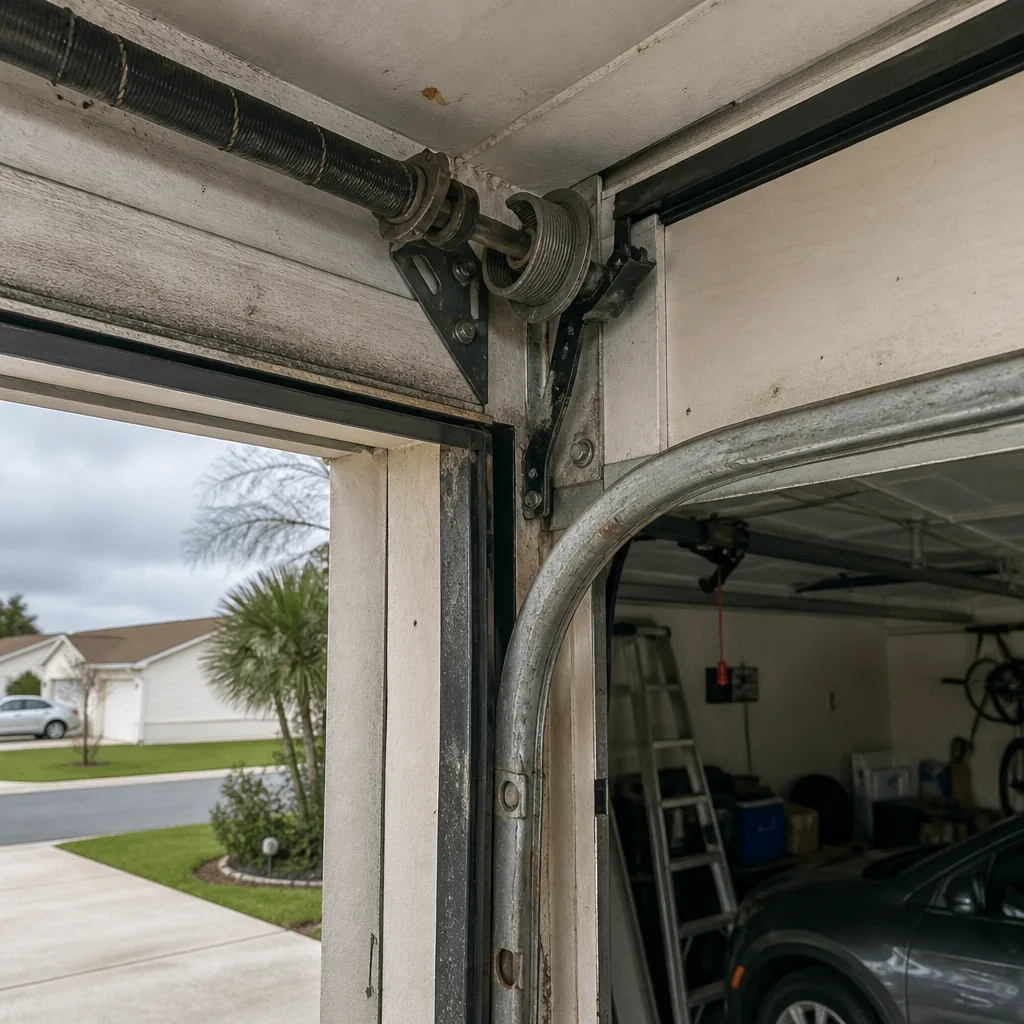 Before
 After
 Before
 After
 Before
 After